
How to Choose the Right Online Marketing Service for Your Business
Online Marketing Services: A Practical Guide for Growing Your Business
Online marketing services help businesses reach potential customers through digital channels. Whether you run a local shop, an online store, or a service-based company, a thoughtful online marketing strategy can improve your visibility, attract relevant visitors, and support long-term growth.
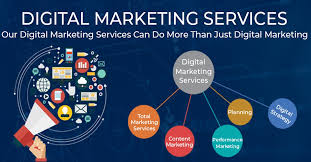
Digital marketing is not a single service or quick fix. It combines different methods, such as search engine optimization, content creation, paid advertising, and social media marketing. The right mix depends on your business goals, audience, budget, and available resources.
What Are Online Marketing Services?
Online marketing services are professional services designed to promote a business, product, or brand on the internet. A provider may help plan and manage campaigns, create marketing materials, improve a website, or measure results. Some businesses work with an agency, while others hire individual specialists or manage marketing in-house.
Common services include:
- Search engine optimization (SEO): Improving a website’s content and structure so it can be more easily discovered through unpaid search results.
- Content marketing: Creating useful articles, guides, videos, and other resources for a target audience.
- Pay-per-click advertising: Running paid ads on search engines and other platforms, with costs typically based on clicks or campaign settings.
- Social media marketing: Publishing content and managing campaigns on social platforms to build awareness and connect with audiences.
- Email marketing: Sending relevant updates, offers, and educational content to people who have chosen to receive communications.
- Website optimization: Improving a site’s usability, loading speed, mobile experience, and ability to turn visitors into customers.
- Analytics and reporting: Tracking performance and using data to understand what is working and where adjustments may be needed.
Why Online Marketing Matters
Many customers research products and services online before making a decision. A clear, helpful digital presence can make it easier for them to find your business, learn what you offer, and take the next step.
Online marketing can also help businesses reach specific audiences, test different messages, and measure activity more directly than some traditional marketing methods. Results vary, however, and meaningful progress often requires consistent effort, realistic expectations, and regular refinement.
How to Choose the Right Services
Start by defining what you want to accomplish. Your goal might be to increase qualified website visits, generate more inquiries, build brand awareness, or encourage repeat purchases. Clear goals make it easier to choose services and evaluate results.
Next, consider your audience and how they discover businesses like yours. A local company may benefit from local SEO and a well-maintained business listing, while an online retailer may focus on product pages, paid search, and email campaigns. A business with a longer sales cycle may need educational content and ongoing follow-up.
When comparing providers, ask how they will approach your goals, what work is included, how performance will be reported, and who will own the accounts and materials created for your business. Look for clear communication and realistic explanations. Be cautious of guaranteed rankings, instant results, or promises that cannot be supported with evidence.
Measure Performance and Keep Improving
Good marketing decisions depend on useful measurement. The right metrics depend on the campaign. For example, a business focused on leads may track inquiries and their quality, while an online store may monitor purchases and revenue. Website traffic, engagement, and email sign-ups can also provide useful context.
Review results regularly, but avoid judging a strategy based on a single day or metric. Compare performance over an appropriate period, consider seasonal changes, and make adjustments based on what the data shows. Marketing channels often work together, so it can be helpful to look at the customer’s full journey rather than crediting only the final click.
Build a Sustainable Online Marketing Strategy
Effective online marketing starts with a clear understanding of your audience and business priorities. Choose services that support those priorities, create helpful and accurate content, and make it easy for customers to contact or buy from you. With consistent work and thoughtful measurement, online marketing can become a valuable part of a broader business strategy.
8 Tips for Choosing and Maximizing an Online Marketing Service
- Set clear marketing goals before choosing a service.
- Define your target audience and where they spend time online.
- Compare providers by expertise, pricing, and case studies.
- Ask how success will be measured and reported.
- Start with a focused campaign before expanding.
- Keep your website mobile-friendly and easy to navigate.
- Test different ads, messages, and landing pages.
- Review results regularly and adjust your strategy.
Set clear marketing goals before choosing a service.
Before choosing an online marketing service, set clear goals for what you want to achieve. You might aim to increase qualified website traffic, generate more leads, improve online sales, or build brand awareness. Specific goals help you identify the services that best fit your needs, communicate your expectations to a provider, and measure whether your marketing efforts are making progress.
Define your target audience and where they spend time online.
Before choosing online marketing services, define your target audience and learn where they spend time online. Consider factors such as their needs, interests, location, and the questions they ask when looking for products or services like yours. Then focus your efforts on the channels they actually use—such as search engines, social media platforms, email, or industry websites. This helps you create more relevant messages, use your marketing budget wisely, and connect with potential customers where they are most likely to engage.
Compare providers by expertise, pricing, and case studies.
When choosing an online marketing provider, compare their expertise, pricing, and case studies to find the best fit for your business. Look for experience with your industry and the services you need, and ask for a clear breakdown of fees and what’s included. Case studies can show how the provider has approached similar challenges and measured results, helping you assess whether their methods and experience align with your goals.
Ask how success will be measured and reported.
Before hiring an online marketing service, ask how it will define success and report progress. The provider should connect its measurements to your business goals, such as qualified leads, sales, or website inquiries—not just broad metrics like clicks or impressions. Find out which tools and metrics it will use, how often you’ll receive reports, and whether someone will explain the results and recommend next steps. Clear, consistent reporting helps you understand what your investment is accomplishing and where the strategy may need adjustment.
Start with a focused campaign before expanding.
Start with a focused online marketing campaign before expanding to additional channels or audiences. Choose one clear goal, such as generating qualified leads or increasing sales of a specific product, and select the channel most likely to reach that goal. A smaller campaign makes it easier to manage your budget, test your message, and see what resonates with customers. Once you understand what is working, use those insights to refine your approach and expand with greater confidence.
Keep your website mobile-friendly and easy to navigate.
Keep your website mobile-friendly and easy to navigate so visitors can find what they need on any device. Use a responsive design, readable text, clear menus, and buttons that are easy to tap. A fast, straightforward browsing experience can help people stay on your site, learn about your services, and take the next step.
Test different ads, messages, and landing pages.
Test different ads, messages, and landing pages to learn what resonates with your audience and encourages them to take action. Try changing one element at a time—such as the headline, image, offer, or call to action—and compare results using relevant metrics like clicks, sign-ups, or purchases. Use what you learn to refine your campaigns, and give each test enough time and traffic to produce meaningful insights.
Review results regularly and adjust your strategy.
Review your online marketing results regularly to understand what’s working and where there’s room to improve. Track relevant measures, such as website visits, inquiries, sales, or engagement, and compare performance over time. Use those insights to refine your messaging, budget, and choice of channels. Regular adjustments help keep your strategy aligned with your business goals and changing customer needs.