
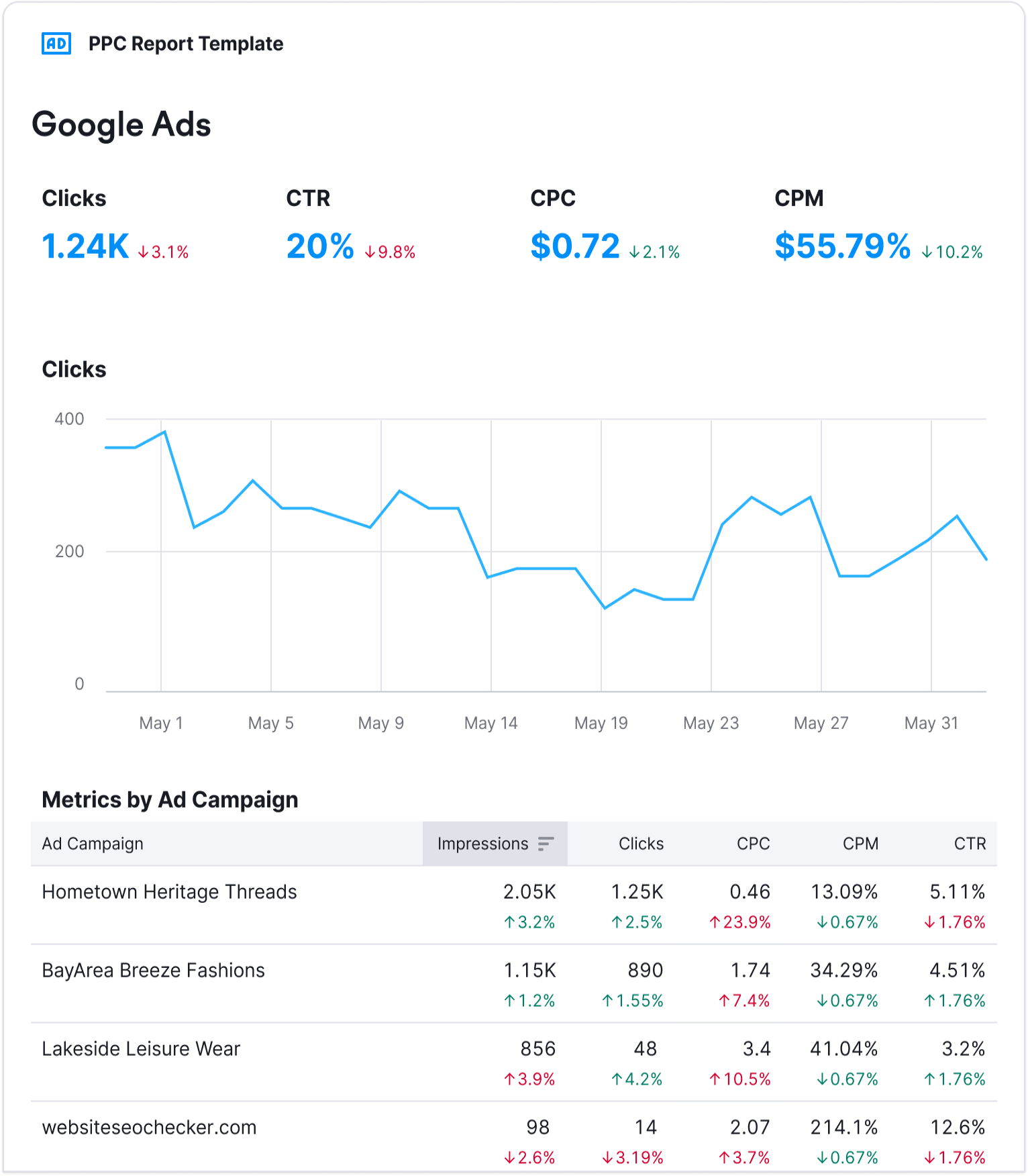
Unlocking Success: Harnessing the Power of PPC Analytics for Optimal Results
The Power of PPC Analytics in Maximizing Your Advertising ROI
Pay-Per-Click (PPC) advertising is a powerful tool for businesses to drive targeted traffic to their websites and increase conversions. However, without proper analytics, it can be challenging to measure the effectiveness of your PPC campaigns and optimize them for maximum results.
PPC analytics refers to the process of collecting, analyzing, and interpreting data from your PPC campaigns to gain valuable insights into your audience, keywords, ad performance, and more. By leveraging PPC analytics effectively, you can make informed decisions that help you improve your advertising ROI and achieve your business goals.
The Benefits of PPC Analytics
Performance Tracking: With PPC analytics, you can track key performance metrics such as click-through rates, conversion rates, cost per acquisition, and return on investment. This data allows you to identify which ads are performing well and which ones need improvement.
Keyword Optimization: By analyzing keyword performance data, you can identify high-performing keywords that drive conversions and allocate your budget effectively. You can also discover new keyword opportunities to expand your reach and attract more qualified leads.
Ad Copy Testing: PPC analytics enables you to A/B test different ad copies to determine which ones resonate best with your target audience. By testing headlines, descriptions, calls-to-action, and visuals, you can refine your messaging for maximum impact.
How to Leverage PPC Analytics
To make the most of PPC analytics, follow these best practices:
- Set Clear Goals: Define specific goals for your PPC campaigns, such as increasing website traffic, generating leads, or boosting sales. Align your analytics strategy with these goals to measure success accurately.
- Use Conversion Tracking: Implement conversion tracking tools like Google Analytics or third-party platforms to track user actions on your website after clicking on your ads. This data provides valuable insights into user behavior and campaign effectiveness.
- Create Custom Reports: Build custom reports in your analytics platform to monitor key metrics that matter most to your business. Customize dashboards for easy visualization of performance data and trends over time.
- Regularly Analyze Data: Review your PPC analytics regularly to identify trends, patterns, and opportunities for optimization. Use this information to make data-driven decisions that improve campaign performance.
In Conclusion
PPC analytics is a vital component of successful digital advertising strategies. By harnessing the power of data-driven insights from your PPC campaigns, you can refine targeting strategies, optimize ad performance, and ultimately maximize your advertising ROI. Invest time in analyzing your PPC data to unlock its full potential and drive sustainable growth for your business.
8 Essential Tips for Mastering PPC Analytics and Boosting Campaign Performance
- Set clear goals and KPIs before starting any PPC campaign.
- Regularly monitor and analyze your PPC performance metrics to identify trends.
- Utilize conversion tracking to measure the effectiveness of your campaigns.
- Segment your data to gain insights into different audience groups or ad variations.
- Optimize your landing pages for better conversion rates from PPC traffic.
- Use A/B testing to experiment with different ad copies, keywords, and targeting options.
- Monitor your competitors’ PPC strategies to stay competitive in the market.
- Regularly review and adjust your budget allocation based on performance data.
Set clear goals and KPIs before starting any PPC campaign.
Setting clear goals and key performance indicators (KPIs) before launching any PPC campaign is essential for measuring success and maximizing results. By defining specific objectives such as increasing website traffic, generating leads, or improving sales, businesses can align their PPC analytics strategy with these goals to track progress accurately. Establishing clear KPIs not only helps in monitoring campaign performance but also guides decision-making processes to optimize ad spend and drive meaningful outcomes. Clarity in goals ensures that PPC efforts are focused and strategic, leading to more effective campaigns and a higher return on investment.
Regularly monitor and analyze your PPC performance metrics to identify trends.
Regularly monitoring and analyzing your PPC performance metrics is crucial for gaining valuable insights into the effectiveness of your advertising campaigns. By tracking key metrics such as click-through rates, conversion rates, and cost per acquisition on a consistent basis, you can identify trends and patterns that reveal what is working well and what areas need improvement. This proactive approach allows you to make data-driven decisions to optimize your PPC campaigns for better results and ultimately maximize your advertising ROI.
Utilize conversion tracking to measure the effectiveness of your campaigns.
Utilizing conversion tracking is a crucial tip in PPC analytics as it allows you to measure the effectiveness of your campaigns accurately. By tracking user actions on your website after clicking on your ads, you can gain valuable insights into which campaigns are driving conversions and which ones may need adjustments. This data enables you to make informed decisions on where to allocate your budget, optimize your ad copy and targeting strategies, and ultimately improve your overall campaign performance and return on investment.
Segment your data to gain insights into different audience groups or ad variations.
Segmenting your data is a crucial tip in PPC analytics as it allows you to gain valuable insights into different audience groups or ad variations. By dividing your data into specific segments based on demographics, behavior, or performance metrics, you can pinpoint which audience segments are responding best to your ads and tailor your targeting strategies accordingly. Similarly, by analyzing the performance of different ad variations within each segment, you can identify what resonates most with your audience and optimize your campaigns for maximum effectiveness. Segmenting your data not only helps you understand your audience better but also enables you to make data-driven decisions that drive better results in your PPC campaigns.
Optimize your landing pages for better conversion rates from PPC traffic.
Optimizing your landing pages is a crucial tip for maximizing the effectiveness of your PPC analytics. By ensuring that your landing pages are relevant, user-friendly, and tailored to the specific needs of your PPC traffic, you can significantly improve conversion rates. A well-optimized landing page that aligns with your ad messaging and offers a clear call-to-action can enhance user experience, increase engagement, and ultimately drive more conversions from your PPC campaigns. Remember, a seamless journey from clicking on an ad to completing a desired action on your landing page is key to converting PPC traffic into valuable leads or customers.
Use A/B testing to experiment with different ad copies, keywords, and targeting options.
Utilizing A/B testing in PPC analytics allows you to conduct experiments with various ad copies, keywords, and targeting options to determine the most effective strategies for your campaigns. By testing different elements such as headlines, descriptions, keywords, and audience segments, you can gather valuable insights into what resonates best with your target audience and drives higher engagement and conversions. A/B testing empowers you to make data-driven decisions that optimize your PPC campaigns for maximum performance and ROI.
Monitor your competitors’ PPC strategies to stay competitive in the market.
Monitoring your competitors’ PPC strategies is a crucial tip to stay competitive in the market. By keeping a close eye on what keywords they are targeting, the ad copies they are using, and their overall campaign performance, you can gain valuable insights to enhance your own PPC efforts. Understanding your competitors’ tactics can help you identify opportunities for improvement, refine your targeting strategy, and stay ahead in the competitive landscape. Continuous monitoring and analysis of your competitors’ PPC activities can provide you with a competitive edge and contribute to the success of your own campaigns.
Regularly review and adjust your budget allocation based on performance data.
Regularly reviewing and adjusting your budget allocation based on performance data is a crucial tip in PPC analytics. By analyzing key metrics such as click-through rates, conversion rates, and return on investment, you can identify which campaigns or keywords are driving the best results. This data-driven approach allows you to reallocate your budget to high-performing areas, ensuring that you maximize your advertising ROI and achieve your business goals efficiently. Consistent monitoring and adjustment of budget allocation based on performance data help you stay agile and responsive to changes in the competitive landscape, ultimately leading to more effective and cost-efficient PPC campaigns.
This is very interesting, You are a very skilled blogger.
I’ve joined your rss feed and look forward
to seeking more of your fantastic post. Also, I have shared your website in my social networks!