
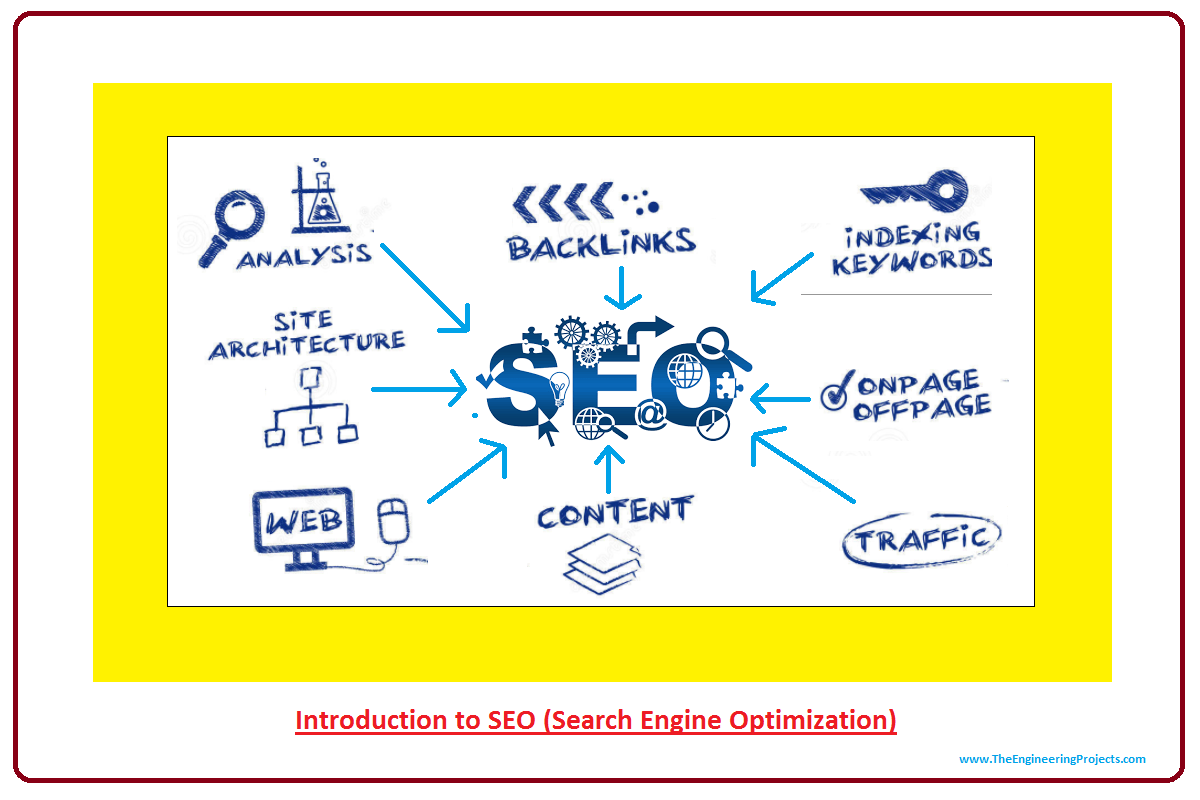
Search Engine Optimization Definition: How SEO Works and Why It Matters
Search Engine Optimization: Definition, Benefits, and How It Works
Search engine optimization (SEO) is the practice of improving a website so that it can appear more prominently in unpaid search engine results. SEO helps search engines understand a site’s content and helps people find useful, relevant pages when they search online.
SEO focuses on organic results, which are not paid advertisements. It can support a website’s visibility over time, but rankings are not guaranteed. Search engines use many signals to decide which pages to show, and those systems can change.
What Does SEO Mean?
SEO stands for search engine optimization. It includes the strategies and tasks used to make a website easier to discover, understand, and use. These may include creating helpful content, improving page speed, organizing site navigation, and earning links from other reputable websites.
SEO is not simply about adding keywords to a page. Effective optimization starts with understanding what people are looking for and providing clear, trustworthy information that meets their needs.
How Does SEO Work?
Search engines generally follow three main steps when organizing web content:
- Crawling: Automated programs, often called crawlers or bots, discover pages and follow links across the web.
- Indexing: Search engines analyze discovered pages and may store information about them in an index.
- Ranking: When someone searches, the search engine selects and orders pages it considers relevant and useful for that query.
SEO can help search engines access and interpret a website, but it does not control whether a page is indexed or where it ranks. Search engines consider many factors, including the meaning of the query, the quality and relevance of the content, the usability of the page, and the searcher’s context.
Core Areas of SEO
On-Page SEO
On-page SEO involves improving individual pages and their content. Common practices include:
- Creating original, accurate, and useful content
- Using descriptive page titles and headings
- Writing clear meta descriptions that summarize the page
- Including relevant search terms naturally
- Adding descriptive text for images
- Linking to related pages on the same website
These elements can help both visitors and search engines understand what a page is about. Keywords should fit naturally into the content; excessive repetition can make a page harder to read and may violate search engine spam policies.
Technical SEO
Technical SEO focuses on a website’s structure and performance. It may involve improving mobile usability, page loading speed, secure connections, navigation, and the way search engines access important pages. A clear site structure and accurate sitemap can also help search engines discover content.
Technical improvements are most useful when they address real obstacles. For example, fixing broken links or making important pages accessible can improve the experience for visitors as well as search engine crawlers.
Off-Page SEO
Off-page SEO refers to signals and activities that happen outside a website. One well-known example is earning links from other relevant, trustworthy sites. Such links can help people discover a website and may help search engines understand its reputation.
Links should be earned through valuable content, useful resources, and legitimate relationships. Buying links or using manipulative link schemes can put a website at risk of search engine penalties.
Why Is SEO Important?
SEO can help a website reach people who are actively searching for information, products, or services. It may also help businesses:
- Increase visibility in relevant search results
- Attract visitors who are interested in their offerings
- Build trust through helpful, reliable information
- Improve website usability and accessibility
- Understand audience needs through search data
SEO is typically a long-term effort. Results may take time, and performance can vary depending on competition, the website’s condition, the quality of its content, and changes in search behavior.
SEO and Paid Search: What’s the Difference?
SEO aims to improve a site’s visibility in unpaid search results. Paid search, by contrast, involves paying to display advertisements for selected searches. Paid ads can provide visibility while a campaign is running, while SEO focuses on improving a website’s ability to earn organic visibility over time. Businesses may use either approach or combine both.
How to Get Started with SEO
A practical SEO plan begins with the audience. Find out what questions people ask, then create pages that answer those questions clearly and accurately. Make sure the website works well on mobile devices, loads reliably, and is easy to navigate. Use tools such as search performance reports and website analytics to monitor impressions, clicks, and visitor behavior.
Review the content regularly to keep important information current. Focus on serving visitors rather than trying to manipulate rankings. Helpful content and a solid website experience provide a stronger foundation for sustainable search visibility.
In Summary
Search engine optimization is the process of improving a website’s visibility and usefulness in unpaid search results. It combines content quality, on-page improvements, technical accessibility, and reputation-building efforts. While SEO cannot guarantee a particular ranking, a thoughtful strategy can make it easier for the right people to find and use a website.
Understanding SEO: Key Answers to Your Top 5 Questions
- What is search engine optimization (SEO)?
- What does SEO stand for?
- How does search engine optimization work?
- What is the difference between SEO and paid search?
- Why is search engine optimization important for a website?
What is search engine optimization (SEO)?
Search engine optimization (SEO) is the process of improving a website to help it appear more prominently in unpaid search engine results. It involves creating useful, relevant content and making a site easy for both visitors and search engines to understand, access, and navigate. SEO can improve a website’s visibility over time, but it does not guarantee a specific ranking.
What does SEO stand for?
SEO stands for “search engine optimization.” It refers to improving a website and its content so search engines can better understand it and people can find it more easily in unpaid search results. SEO can include creating helpful content, organizing pages clearly, and improving a site’s usability and technical performance.
How does search engine optimization work?
Search engine optimization works by helping search engines discover, understand, and evaluate a website’s pages. Search engines crawl the web to find content, index information they consider useful, and rank relevant pages in response to a search. SEO supports this process by creating helpful, well-organized content, using clear page titles and headings, improving site speed and mobile usability, and making pages easy to navigate. These steps can improve a site’s chances of appearing in relevant unpaid search results, though rankings are never guaranteed.
What is the difference between SEO and paid search?
SEO (search engine optimization) focuses on improving a website’s visibility in unpaid, organic search results by making its content and technical setup more useful and accessible. Paid search involves paying to show ads for selected search queries, usually through an advertising platform. Ads can appear as soon as a campaign is active and typically stop appearing when the budget runs out, while SEO may take longer to produce results but can support organic visibility over time. Both approaches can help connect a business with people searching for relevant information, products, or services.
Why is search engine optimization important for a website?
Search engine optimization is important because it helps people find a website through unpaid search results when they’re looking for relevant information, products, or services. Effective SEO can increase a site’s visibility, attract visitors with a genuine interest in its content, and make pages easier to navigate and use. While results can take time and rankings aren’t guaranteed, SEO can support a website’s long-term reach and growth.