
Crafting an Effective Digital Marketing Campaign Strategy for Success
Digital Marketing Campaign Strategy: A Guide to Success
In today’s digital age, having a well-thought-out digital marketing campaign strategy is essential for businesses looking to reach and engage their target audience effectively. A successful digital marketing campaign can help businesses increase brand awareness, drive website traffic, generate leads, and ultimately boost sales.
Understanding Your Audience
The first step in developing a successful digital marketing campaign strategy is understanding your target audience. Conduct market research to identify your audience’s demographics, interests, online behavior, and preferences. This information will help you create targeted and personalized marketing messages that resonate with your audience.
Setting Clear Goals
Before launching a digital marketing campaign, it’s crucial to set clear and measurable goals. Whether your goal is to increase website traffic, generate leads, or drive sales, having specific objectives will guide your campaign strategy and help you track its success.
Choosing the Right Channels
With numerous digital marketing channels available, such as social media, email marketing, search engine optimization (SEO), pay-per-click (PPC) advertising, and content marketing, it’s important to choose the channels that align with your goals and target audience. Each channel offers unique opportunities to reach and engage with your audience effectively.
Crafting Compelling Content
Content is king in the digital world. Whether it’s blog posts, social media updates, videos, infographics, or email newsletters, creating high-quality and engaging content is essential for a successful digital marketing campaign. Tailor your content to address the needs and interests of your target audience while staying true to your brand voice.
Monitoring and Optimization
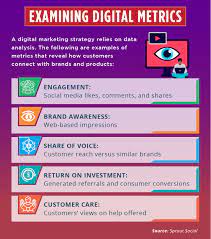
Once your digital marketing campaign is live, it’s important to monitor its performance regularly. Track key metrics such as website traffic, conversion rates, click-through rates (CTR), engagement metrics, and return on investment (ROI). Use this data to optimize your campaign in real-time by making adjustments based on what’s working and what’s not.
Conclusion
A well-planned digital marketing campaign strategy can make a significant impact on your business’s online presence and overall success. By understanding your audience, setting clear goals, choosing the right channels, crafting compelling content, and monitoring performance closely, you can create a winning digital marketing campaign that drives results.
Essential FAQs on Crafting an Effective Digital Marketing Campaign Strategy
- What is a digital marketing campaign strategy?
- Why is a digital marketing campaign strategy important for businesses?
- How can businesses identify their target audience for a digital marketing campaign?
- What are the key components of a successful digital marketing campaign strategy?
- How should businesses set goals for their digital marketing campaigns?
- Which digital marketing channels are most effective for reaching target audiences?
- What role does content play in a digital marketing campaign strategy?
- How can businesses measure the success of their digital marketing campaigns?
- What are some common challenges faced when implementing a digital marketing campaign strategy?
What is a digital marketing campaign strategy?
A digital marketing campaign strategy refers to a comprehensive plan of action designed to achieve specific marketing goals through various online channels and tactics. It involves identifying target audiences, setting clear objectives, selecting appropriate digital marketing channels, creating engaging content, and monitoring performance to optimize results. A well-crafted digital marketing campaign strategy is essential for businesses to effectively reach their target audience, increase brand awareness, drive website traffic, generate leads, and ultimately boost sales in today’s competitive digital landscape.
Why is a digital marketing campaign strategy important for businesses?
A digital marketing campaign strategy is crucial for businesses because it serves as a roadmap to effectively reach and engage their target audience in the digital landscape. By defining clear goals, understanding the audience, selecting the right channels, and creating compelling content, businesses can maximize their online presence and drive meaningful results. A well-thought-out strategy not only helps businesses increase brand awareness and generate leads but also enables them to track performance metrics and make data-driven optimizations for continuous improvement. In today’s competitive market, having a solid digital marketing campaign strategy is essential for businesses to stand out, connect with their audience, and achieve long-term success.
How can businesses identify their target audience for a digital marketing campaign?
To identify their target audience for a digital marketing campaign, businesses can start by conducting thorough market research to gather insights into the demographics, interests, online behavior, and preferences of their potential customers. Utilizing tools such as Google Analytics, social media analytics, customer surveys, and competitor analysis can provide valuable data to help businesses understand who their target audience is and how to effectively reach them. By creating detailed buyer personas based on this information, businesses can tailor their marketing messages and strategies to resonate with their target audience and drive successful digital marketing campaigns.
What are the key components of a successful digital marketing campaign strategy?
When it comes to developing a successful digital marketing campaign strategy, several key components play a crucial role in achieving desired outcomes. Understanding your target audience’s demographics, behaviors, and preferences is essential for creating personalized and engaging content that resonates with them. Setting clear and measurable goals helps guide the direction of the campaign and allows for effective tracking of its performance. Choosing the right digital marketing channels that align with your objectives and target audience maximizes the reach and impact of your campaign. Crafting compelling and high-quality content tailored to address the needs of your audience while staying true to your brand voice is vital for capturing their attention. Regular monitoring of key metrics and optimization based on performance data ensure that the campaign remains effective and drives desired results. By incorporating these key components into a digital marketing campaign strategy, businesses can enhance their online presence, engage their audience effectively, and achieve success in their marketing efforts.
How should businesses set goals for their digital marketing campaigns?
When it comes to setting goals for their digital marketing campaigns, businesses should start by defining clear and measurable objectives that align with their overall marketing and business goals. It’s essential to establish specific targets, such as increasing website traffic, generating leads, improving brand awareness, or driving sales. Businesses should consider factors like target audience demographics, market trends, competition analysis, and budget constraints when setting goals. By setting realistic and achievable goals, businesses can create a focused digital marketing campaign strategy that guides their efforts and helps measure success effectively. Regularly monitoring key performance indicators (KPIs) and adjusting strategies based on data insights are also crucial for achieving desired outcomes in digital marketing campaigns.
Which digital marketing channels are most effective for reaching target audiences?
When considering which digital marketing channels are most effective for reaching target audiences, it is essential to understand that the effectiveness of each channel can vary depending on the nature of your business, target audience demographics, and campaign objectives. Social media platforms like Facebook, Instagram, and LinkedIn are popular choices for engaging with a broad audience and building brand awareness. Email marketing is effective for nurturing leads and maintaining customer relationships. Search engine optimization (SEO) and pay-per-click (PPC) advertising can help drive targeted traffic to your website. Content marketing through blogs, videos, and infographics can also be powerful in capturing audience interest. Ultimately, a strategic combination of these channels tailored to your specific goals and audience preferences is key to maximizing the impact of your digital marketing campaign strategy.
What role does content play in a digital marketing campaign strategy?
Content plays a pivotal role in a digital marketing campaign strategy as it serves as the foundation for engaging and connecting with the target audience. High-quality and relevant content not only attracts potential customers but also educates, informs, and entertains them. In the digital landscape, where competition is fierce, compelling content sets businesses apart by establishing credibility, building trust, and driving conversions. Whether it’s blog posts, social media updates, videos, or email newsletters, well-crafted content tailored to the audience’s needs and preferences can significantly impact the success of a digital marketing campaign strategy.
How can businesses measure the success of their digital marketing campaigns?
Businesses can measure the success of their digital marketing campaigns through a variety of key performance indicators (KPIs) that align with their campaign goals. Metrics such as website traffic, conversion rates, click-through rates (CTR), engagement metrics, return on investment (ROI), and lead generation can provide valuable insights into the effectiveness of a campaign. By tracking and analyzing these KPIs, businesses can assess the impact of their digital marketing efforts, identify areas for improvement, and make data-driven decisions to optimize future campaigns for greater success.
What are some common challenges faced when implementing a digital marketing campaign strategy?
When implementing a digital marketing campaign strategy, businesses often face common challenges that can impact the success of their efforts. Some of these challenges include identifying the right target audience, creating engaging and relevant content, selecting the most effective digital marketing channels, managing budgets effectively, measuring campaign performance accurately, and staying ahead of rapidly evolving digital trends. Overcoming these challenges requires careful planning, continuous monitoring, flexibility to adapt to changes, and a deep understanding of the digital landscape to ensure that the campaign strategy delivers the desired results.