
B2B Internet Marketing: A Practical Guide to Reaching Business Buyers
B2B Internet Marketing: A Practical Guide to Reaching Business Buyers
B2B internet marketing uses digital channels to help a business reach, educate, and convert other businesses. Unlike consumer marketing, B2B marketing often involves longer sales cycles, multiple decision-makers, and purchases that require careful evaluation. A strong strategy connects useful content, targeted outreach, and clear measurement to the needs of business buyers at every stage of their decision-making process.
What Is B2B Internet Marketing?
Business-to-business (B2B) internet marketing is the promotion of products or services to organizations through online channels. These channels can include search engines, company websites, email, social media, online advertising, webinars, and industry publications.
The goal is not simply to attract website traffic. Effective B2B marketing helps the right people understand a company’s offering, see how it addresses their needs, and take a meaningful next step—such as requesting a consultation, signing up for a demonstration, or contacting the sales team.
How B2B Marketing Differs from B2C Marketing
Business-to-consumer (B2C) campaigns often aim to encourage an individual purchase, sometimes on the spot. B2B purchases can involve larger budgets, longer approval processes, and several stakeholders. A buyer may need to compare vendors, assess implementation requirements, consult colleagues, and justify the investment.
Because of this, B2B internet marketing typically emphasizes:
- Expertise and trust: Buyers need credible information before making a business decision.
- Relevant education: Content should explain challenges, options, and potential outcomes.
- Lead quality: Reaching people who fit the company’s target market matters more than generating large numbers of unqualified inquiries.
- Long-term relationships: Helpful follow-up can support prospects throughout a longer buying journey.
Build a Strategy Around the Target Audience
Before choosing marketing channels, define the organizations and people the business wants to reach. A useful starting point is to describe the ideal customer profile: the types of companies most likely to benefit from the product or service. Consider factors such as industry, company size, location, business model, and common needs.
Next, identify the roles involved in the purchase. A technical evaluator may care about compatibility and security, while an executive may focus on cost, risk, and business impact. Marketing messages should address these different priorities without losing consistency.
Customer interviews, sales conversations, support questions, and website analytics can all reveal what buyers are trying to solve. These insights make it easier to create relevant content and choose appropriate channels.
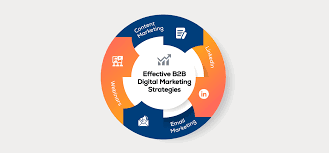
Key B2B Internet Marketing Channels
Search Engine Optimization
Search engine optimization (SEO) helps a company appear in relevant search results. B2B SEO can include improving website structure, creating useful pages for important services, and publishing content that answers questions buyers are likely to ask.
Rather than focusing only on broad, high-volume keywords, consider the specific terms buyers use when researching a problem or comparing solutions. Clear page titles, descriptive headings, fast-loading pages, and helpful internal links can also improve the experience for visitors and search engines.
Content Marketing
Content marketing provides useful information that helps buyers understand a challenge or evaluate possible solutions. Common B2B formats include:
- Guides and educational articles
- Case studies and customer stories
- Research reports and industry insights
- Webinars and demonstrations
- Product comparison pages and FAQs
- Email courses and downloadable resources
Strong content is specific, accurate, and genuinely useful. It should explain concepts in plain language, support claims with credible evidence, and make the next step clear without pressuring the reader.
Email Marketing
Email can help businesses share relevant information with prospects and customers over time. B2B email programs may include newsletters, product updates, event invitations, onboarding messages, or follow-up sequences based on a person’s interests.
Effective email marketing depends on permission, relevance, and good list management. Messages should be tailored to the recipient’s needs, include an accurate subject line, and provide a clear way to unsubscribe. Avoid sending frequent, generic promotions that offer little value.
Social Media Marketing
Social media can support brand awareness, professional networking, customer education, and the distribution of useful content. The best platforms depend on the audience and industry. A business may use professional networks to share expertise, video platforms to publish demonstrations, or online communities to participate in industry discussions.
Social media works best as part of a broader plan. Regular, thoughtful participation is generally more valuable than posting frequently without a clear purpose.
Paid Digital Advertising
Paid search, display advertising, sponsored content, and professional-network advertising can help a company reach specific audiences or promote important offers. Paid campaigns may be useful for testing messages, supporting a product launch, or reaching people who are actively researching a solution.
Campaigns should be built around a clear objective, a relevant audience, and a landing page that matches the ad. Set a practical budget, monitor performance, and review lead quality—not just clicks or impressions.
Create a Connected Buyer Journey
B2B buyers may discover a company through a search result, return after reading an article, attend a webinar, and later speak with sales. Each interaction should make it easier for them to move forward.
A simple buyer journey might include:
- Awareness: The buyer recognizes a problem and looks for information.
- Consideration: The buyer researches approaches and compares potential providers.
- Decision: The buyer evaluates specific solutions, costs, and implementation details.
- Retention: The customer receives useful support and information after purchase.
Provide suitable content at each stage. An introductory guide may be useful early on, while a detailed case study, product demonstration, or implementation overview may help later. Calls to action should reflect the reader’s level of interest.
Measure Results That Matter
Good measurement connects marketing activity to business goals. Website visits can show whether a campaign is attracting attention, but they do not tell the whole story. Depending on the strategy, useful measures may include:
- Qualified inquiries and sales opportunities
- Conversion rates on key landing pages
- Cost per qualified lead
- Engagement with high-value content
- Pipeline contribution and revenue influenced
- Customer retention and repeat business
Use analytics and customer relationship management (CRM) tools to understand how leads move from their first interaction to a sales conversation and, when possible, to a customer relationship. Review results regularly, but allow enough time for longer B2B sales cycles to develop.
Common B2B Internet Marketing Mistakes
Some strategies underperform because they focus on activity rather than buyer needs. Common mistakes include:
- Publishing content without a defined audience or purpose
- Prioritizing traffic volume over relevant prospects
- Using the same message for every decision-maker
- Sending leads to a landing page that does not match the campaign
- Measuring clicks while ignoring lead quality and sales outcomes
- Making broad claims that are difficult to verify
- Failing to coordinate marketing and sales follow-up
These problems can often be addressed by setting clear goals, gathering feedback from sales and customers, and regularly reviewing the full path from first visit to conversion.
Build for Long-Term Growth
B2B internet marketing is most effective when it combines audience understanding, useful information, consistent communication, and thoughtful measurement. The right approach will vary by industry, product, budget, and sales cycle. Start with a clear view of the buyer, choose channels that fit their research habits, and improve the strategy based on evidence.
By helping business buyers make informed decisions—not simply promoting a product—companies can build stronger digital relationships and create a more dependable foundation for growth.
5 B2B Internet Marketing Tips to Attract, Nurture, and Convert Leads
- Define your ideal customer profile before launching campaigns.
- Share useful content that addresses buyers’ specific challenges.
- Optimize landing pages for clear calls to action.
- Use email campaigns to nurture leads over time.
- Track conversions and refine campaigns using performance data.
Define your ideal customer profile before launching campaigns.
Before launching a B2B internet marketing campaign, define your ideal customer profile (ICP)—a clear description of the organizations most likely to benefit from your product or service. Consider details such as industry, company size, location, budget, business needs, and the challenges your solution addresses. A well-defined ICP helps you choose the right channels, create more relevant messaging, and focus your budget on attracting qualified prospects rather than a broad audience unlikely to convert.
Share useful content that addresses buyers’ specific challenges.
Share useful content that addresses buyers’ specific challenges by focusing on the questions, obstacles, and goals they encounter in their work. Practical guides, clear how-to articles, case studies, and webinars can help prospective customers understand their options and make informed decisions. When content is relevant to a buyer’s role and stage in the purchasing process, it builds trust and shows how your business can help—without relying on a hard sell.
Optimize landing pages for clear calls to action.
Optimize B2B landing pages by giving visitors one clear next step, such as scheduling a demo, requesting a consultation, or downloading a relevant guide. Use a concise headline that explains the value of the offer, supportive copy that addresses the buyer’s needs, and a prominent call-to-action button with specific wording. Keep forms simple, remove distracting links, and make sure the page works well on mobile devices. A focused landing page makes it easier for potential customers to understand what to do next and helps your team measure campaign results.
Use email campaigns to nurture leads over time.
Use email campaigns to nurture B2B leads over time by sharing relevant, helpful information that matches each prospect’s interests and stage in the buying process. For example, introduce your company with an educational guide, follow up with a case study or webinar, and later offer a consultation or product demo. Segment your audience when possible, keep messages concise and valuable, and track engagement to refine your approach. Consistent, permission-based communication can build trust and keep your business in mind while prospects evaluate their options.
Track conversions and refine campaigns using performance data.
Track conversions to understand which B2B marketing efforts lead to meaningful actions, such as qualified inquiries, demo requests, and sales opportunities. Use performance data to compare channels, messages, and landing pages, then adjust campaigns based on what is producing the strongest results. Regularly reviewing both lead quality and conversion rates helps you make smarter budget decisions and improve campaign performance over time.