
How to Choose the Right Internet Marketing Service for Your Business
Internet Marketing Services: A Guide for Growing Your Business Online
In today’s digital world, customers often turn to the internet to research products, compare services, and decide which businesses to trust. An internet marketing service can help your business reach those customers through online channels, build awareness, and encourage meaningful action.
Whether you run a local business, an online store, or a growing company, a well-planned digital marketing strategy can help you connect with the right audience. The best approach depends on your goals, customers, budget, and resources.
What Is an Internet Marketing Service?
An internet marketing service helps businesses promote their products or services online. It may include strategy, content creation, advertising, website improvements, campaign management, and performance reporting. Some providers specialize in one area, while others offer a combination of services.
Internet marketing is not simply about getting more clicks. Effective campaigns aim to attract relevant visitors, provide a useful experience, and guide potential customers toward an appropriate next step, such as making a purchase, booking an appointment, or contacting your team.
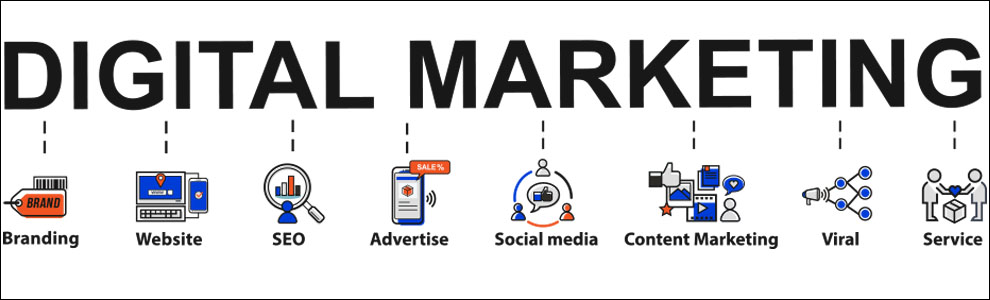
Common Types of Internet Marketing
Search Engine Optimization
Search engine optimization, or SEO, improves a website’s visibility in unpaid search results. SEO work may include researching search terms, improving page content, organizing site navigation, and addressing technical issues. Results typically take time, and rankings cannot be guaranteed, but useful content and a well-maintained website can support long-term discoverability.
Paid Search Advertising
Paid search ads can appear when people search for specific products or services. Advertisers generally choose keywords, write ads, set a budget, and direct visitors to relevant landing pages. Careful targeting and ongoing measurement can help businesses understand which campaigns are generating valuable leads or sales.
Social Media Marketing
Social media marketing uses platforms such as Instagram, Facebook, LinkedIn, or TikTok to share content and interact with audiences. Depending on the business, it can support brand awareness, customer service, community building, or product promotion. A consistent posting schedule and a clear understanding of the intended audience are often more useful than trying to be active on every platform.
Content Marketing
Content marketing involves creating and sharing helpful material, such as articles, videos, guides, or newsletters. Good content addresses questions customers actually have and demonstrates a business’s expertise. It can also support SEO, sales conversations, and customer education.
Email Marketing
Email marketing allows businesses to communicate directly with people who have chosen to receive updates. Newsletters, product announcements, and follow-up messages can help maintain customer relationships. Businesses should follow applicable privacy and email marketing laws, provide clear subscription options, and respect unsubscribe requests.
Website and Conversion Optimization
A marketing campaign can bring visitors to a website, but the website needs to make it easy for them to take the next step. Conversion optimization may involve improving page speed, simplifying forms, clarifying calls to action, and making pages easier to use on mobile devices.
Benefits of Working With an Internet Marketing Provider
A marketing provider can bring specialized skills and help coordinate campaigns across multiple channels. This may be useful for businesses that lack in-house expertise or need additional support. A qualified provider can also help define measurable goals, monitor results, and recommend changes based on performance.
However, hiring a provider does not guarantee a specific outcome. Results depend on factors such as market competition, budget, website quality, customer demand, and the offer itself. Clear expectations and regular communication are essential.
How to Choose the Right Service
- Start with your goals. Decide whether you want to increase qualified leads, online sales, local visibility, or another measurable outcome.
- Ask about the process. Find out how the provider researches your audience, plans campaigns, and evaluates performance.
- Request clear reporting. Reports should explain what was done, what the results mean, and what steps are planned next.
- Understand the costs. Ask about service fees, advertising budgets, software expenses, and any additional charges.
- Check ownership and access. Make sure your business retains appropriate access to its website, advertising accounts, analytics, and creative assets.
- Look for realistic promises. Be cautious of guaranteed rankings, instant results, or claims that sound too good to be true.
Make Your Marketing Strategy Work for Your Business
An effective internet marketing strategy begins with understanding your customers and setting clear priorities. You do not need to use every channel at once. Start with the approaches that best fit your audience and resources, measure performance, and adjust as you learn.
With a thoughtful plan and consistent evaluation, internet marketing services can help your business build a stronger online presence and create more useful connections with potential customers.
5 Essential Tips for Selecting the Right Internet Marketing Service
- Define clear goals before choosing a service.
- Check client reviews and case studies.
- Ask how results will be measured.
- Confirm pricing and contract terms.
- Choose a service that fits your audience.
Define clear goals before choosing a service.
Before choosing an internet marketing service, define exactly what you want to achieve. Your goals might include increasing website traffic, generating qualified leads, boosting online sales, or improving local visibility. Clear, measurable objectives help you select services that fit your needs, set realistic expectations, and evaluate whether your marketing investment is delivering results.
Check client reviews and case studies.
Check client reviews and case studies before choosing an internet marketing service. Reviews can reveal how a provider communicates, manages projects, and supports clients, while case studies may show how its strategies addressed real business challenges. Look for specific details, relevant experience, and measurable results, and remember that past performance does not guarantee future outcomes.
Ask how results will be measured.
Ask how results will be measured before choosing an internet marketing service. A reliable provider should explain which metrics align with your goals, such as qualified leads, sales, website traffic, or conversion rates, and how often you’ll receive clear reports. Make sure they can distinguish meaningful business outcomes from vanity metrics, like clicks or impressions alone, so you can understand what’s working and where your marketing budget is going.
Confirm pricing and contract terms.
Before choosing an internet marketing service, confirm exactly what the pricing includes and review the contract terms carefully. Ask about setup fees, ongoing service charges, advertising spend, renewal dates, cancellation policies, and any additional costs. Make sure the agreement clearly explains the services you’ll receive, how performance will be reported, and who owns your accounts and marketing materials. Clear terms help prevent surprises and make it easier to judge whether the service fits your budget and business goals.
Choose a service that fits your audience.
Choose an internet marketing service that matches the way your audience discovers and evaluates businesses. For example, search engine optimization may help reach people actively looking for a solution, while social media can be useful for building awareness and connecting with a specific community. Consider your customers’ needs, online habits, and preferred platforms before investing. When your marketing channel fits your audience, your message is more likely to reach the right people and encourage meaningful engagement.