
SEM Google: A Practical Guide to Search Engine Marketing
Google SEM: A Practical Guide to Search Engine Marketing
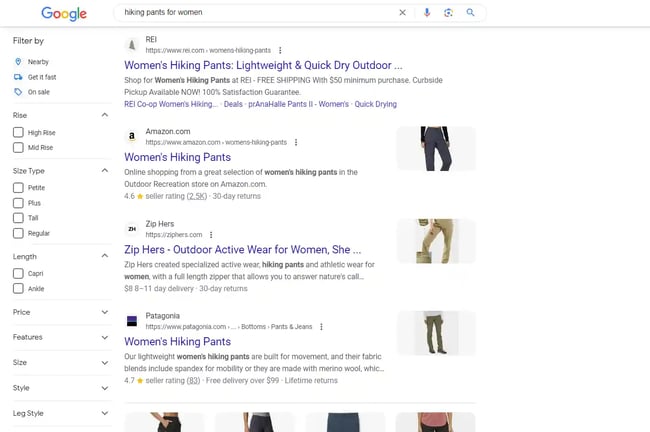
Google SEM, or search engine marketing on Google, helps businesses reach people who are searching for products, services, or information. In everyday use, SEM often refers to paid search advertising through Google Ads. These ads can appear in Google search results when someone searches for terms related to an advertiser’s offering.
A thoughtful SEM strategy can help a business connect with relevant audiences, bring visitors to its website, and measure how advertising contributes to its goals. Success, however, depends on more than simply launching an ad. It takes careful planning, relevant messaging, a useful landing page, and ongoing evaluation.
How Google Search Ads Work
Advertisers create campaigns in Google Ads and choose settings such as location, language, budget, and bidding approach. They can also select keywords or use other targeting options to help identify searches that may be relevant to their business.
When a person searches, Google runs an ad auction to determine which eligible ads may appear and where. The auction considers factors such as the bid and the expected usefulness and relevance of the ad and its landing page. As a result, the highest bid does not automatically guarantee the top position.
Depending on the campaign and search, ads may appear above or below organic results and are labeled as ads. Advertisers generally pay when someone interacts with an ad, such as by clicking it, although campaign billing can vary by ad format and bidding strategy.
SEM and SEO: What’s the Difference?
Search engine marketing and search engine optimization are related, but they are not the same thing. SEM commonly describes paid search campaigns, while SEO focuses on improving a website’s visibility in unpaid search results.
- Google SEM: Uses paid advertising to reach audiences through eligible Google placements.
- SEO: Improves a website’s content, structure, and reputation to support organic search visibility over time.
Businesses may use both approaches. Paid campaigns can provide visibility while they are running, while SEO can support a longer-term strategy for attracting organic traffic. Each requires its own planning and measurement.
Building a Google SEM Campaign
Set a clear goal
Decide what the campaign should accomplish. Common goals include generating qualified leads, encouraging purchases, increasing calls, or driving visits to a relevant page. A specific goal makes it easier to choose campaign settings and evaluate performance.
Research relevant searches
Think about the phrases potential customers might use when looking for your product or service. Keyword research tools can help uncover search terms, but the best choices depend on your audience, offer, and budget. Include negative keywords where appropriate to reduce the chance of showing ads for searches that are not relevant.
Organize campaigns and ad groups
Group related products, services, and keywords together. A clear structure helps keep ad copy relevant to the searches it serves and makes results easier to review. Avoid putting unrelated offerings into the same group simply for convenience.
Write useful, accurate ads
Make the benefit clear and match the ad to the searcher’s likely needs. Use specific language, include a relevant call to action, and ensure that all claims are accurate. An ad should set expectations that the landing page can fulfill.
Improve the landing page
The page people reach after clicking should be relevant, easy to navigate, and usable on mobile devices. It should load reliably, explain the offer clearly, and make the next step straightforward. A strong landing-page experience supports both visitors and campaign performance.
Choose a realistic budget and bidding approach
Set a budget the business can afford and choose a bidding strategy that aligns with the campaign goal and available conversion data. Bidding options and campaign features can change, so review current Google Ads guidance before making major decisions. Avoid judging a campaign on a few clicks or a short period without considering its volume and context.
Measuring SEM Performance
Clicks and impressions can indicate how often ads are shown and how frequently people interact with them, but they do not necessarily show whether a campaign is achieving its business goal. Depending on the objective, useful metrics may include:
- Click-through rate: The share of ad impressions that result in clicks.
- Cost per click: The average amount paid per click, when applicable.
- Conversion rate: The share of interactions that lead to a desired action.
- Cost per conversion: The average advertising cost for each tracked conversion.
- Return on ad spend: The revenue attributed to advertising compared with advertising cost, when reliable revenue tracking is available.
Accurate measurement depends on suitable conversion tracking and careful interpretation. Make sure the tracked actions reflect meaningful outcomes, such as completed purchases or qualified inquiries, rather than counting every visit as a success.
Common Google SEM Mistakes
- Choosing keywords that are too broad or unrelated to the offer.
- Sending every ad to the same generic landing page.
- Using unclear or exaggerated claims in ad copy.
- Failing to review search terms and add appropriate exclusions.
- Making frequent changes before enough data is available.
- Tracking clicks without measuring meaningful business results.
Make Google SEM Part of a Broader Strategy
Google SEM can help businesses reach people with relevant intent, but it works best as part of a considered marketing plan. Clear goals, useful ads, relevant landing pages, responsible budgeting, and sound measurement all contribute to better decisions. By reviewing results regularly and making evidence-based adjustments, businesses can improve their campaigns while keeping their audience’s needs at the center.
9 Google SEM Tips for More Effective Campaigns
- Choose keywords that match user intent.
- Use specific, tightly themed ad groups.
- Write clear ads with a strong call to action.
- Add negative keywords to filter irrelevant clicks.
- Use location and language targeting carefully.
- Set daily budgets before launching campaigns.
- Track conversions, not just clicks.
- Test multiple ad headlines and descriptions.
- Review search terms regularly and refine targeting.
Choose keywords that match user intent.
Choose keywords that match user intent by considering what searchers want to accomplish, not just which terms get the most traffic. Someone searching “how to choose running shoes” may be looking for advice, while “buy trail running shoes” signals a stronger intent to make a purchase. Aligning keywords with your offer and the right stage of the customer journey helps create more relevant ads, attract better-qualified visitors, and use your Google Ads budget more effectively.
Use specific, tightly themed ad groups.
Use specific, tightly themed ad groups to keep your Google Ads closely aligned with what people are searching for. Group related keywords together and write ads that speak directly to those searches, then send visitors to the most relevant landing page. This makes your message clearer, improves the experience for potential customers, and gives you better insight into which products, services, and search themes are performing well.
Write clear ads with a strong call to action.
Write clear ads that quickly explain what you offer and why it matters to the person searching. Use specific, accurate language that matches the keywords and the content of your landing page, then finish with a strong call to action—such as “Shop Now,” “Request a Quote,” or “Book an Appointment”—so people know exactly what to do next. A focused message can make your Google search ad easier to understand and help attract more relevant clicks.
Add negative keywords to filter irrelevant clicks.
Add negative keywords to your Google SEM campaigns to help prevent ads from appearing for searches that aren’t relevant to your business. For example, if you sell new furniture, adding “used” as a negative keyword may help exclude searches for secondhand items. Review your search-term reports regularly to spot unwanted queries and refine your exclusions. This can reduce wasted clicks, use your budget more effectively, and help your ads reach people who are more likely to be interested in your offer.
Use location and language targeting carefully.
Use location and language targeting carefully so your Google Search ads reach people who can actually use your offer. Choose the areas where you serve customers, and check whether your settings target people physically in those locations or people who have shown interest in them. Select languages your audience understands, keeping in mind that language settings don’t always indicate a person’s full language abilities. Review campaign results by location and language, then adjust your settings to reduce irrelevant clicks and focus your budget on the audiences most likely to convert.
Set daily budgets before launching campaigns.
Set a daily budget before launching a Google SEM campaign to control spending and keep advertising costs aligned with your business goals. Choose an amount you can sustain, then review campaign performance regularly to see whether it is reaching the right audience and generating valuable results. Google Ads may spend more than your average daily budget on some days, while working to stay within its monthly spending limits, so check the platform’s current billing rules and monitor costs as your campaign runs.
Track conversions, not just clicks.
Track conversions, not just clicks. Clicks show that someone visited your site, but they don’t tell you whether that visit led to a valuable action, such as a purchase, a lead form submission, or a phone call. Set up conversion tracking in Google Ads or your analytics tools to understand which campaigns, keywords, and ads are contributing to your goals. This helps you make smarter budget decisions and focus on results that matter to your business.
Test multiple ad headlines and descriptions.
Test multiple ad headlines and descriptions to learn which messages resonate most with your audience. Try different benefits, calls to action, and wording while keeping each version clear, accurate, and relevant to the keyword and landing page. Monitor performance over time, using meaningful metrics such as conversions—not just clicks—and use the results to refine your Google search ads.
Review search terms regularly and refine targeting.
Review your search terms regularly to see which queries are triggering your Google search ads. Add relevant terms to your keyword strategy, and exclude unrelated or low-quality searches with negative keywords. This ongoing refinement can help your ads reach a more appropriate audience, reduce wasted spend, and improve campaign performance over time.