
Search Engine Optimization Content Writing: A Practical Guide for Better Rankings
Search Engine Optimization Content Writing: A Practical Guide
Search engine optimization (SEO) content writing combines useful, engaging writing with techniques that help search engines understand a page. The goal is not simply to rank for keywords. It is to answer readers’ questions clearly, provide trustworthy information, and make the content easy to find and use.
When done well, SEO content serves both people and search engines. It supports a website’s visibility while giving readers a genuinely helpful experience.
What Is SEO Content Writing?
SEO content writing is the process of planning and creating online content with readers’ needs and search visibility in mind. It can include blog posts, guides, product descriptions, service pages, and other website copy.
Effective SEO writing goes beyond adding search terms to a page. It involves understanding what people are looking for, covering the subject accurately, organizing information logically, and presenting it in clear language.
Start With the Reader’s Search Intent
Before drafting, consider why someone might search for the topic. Search intent is the purpose behind a search. A person may want to learn about a subject, compare options, find a specific website, or complete a purchase.
For example, someone searching “how to prune a rose bush” likely wants step-by-step instructions. Someone searching “buy rose pruning shears” is probably comparing or shopping for a product. Content that matches the reader’s likely goal is more useful than a page that focuses only on a keyword.
To understand intent, review the questions your audience asks, examine relevant search results, and identify what information a helpful page should include. Use this research to guide the content—not to copy other pages.
Choose Relevant Keywords Naturally
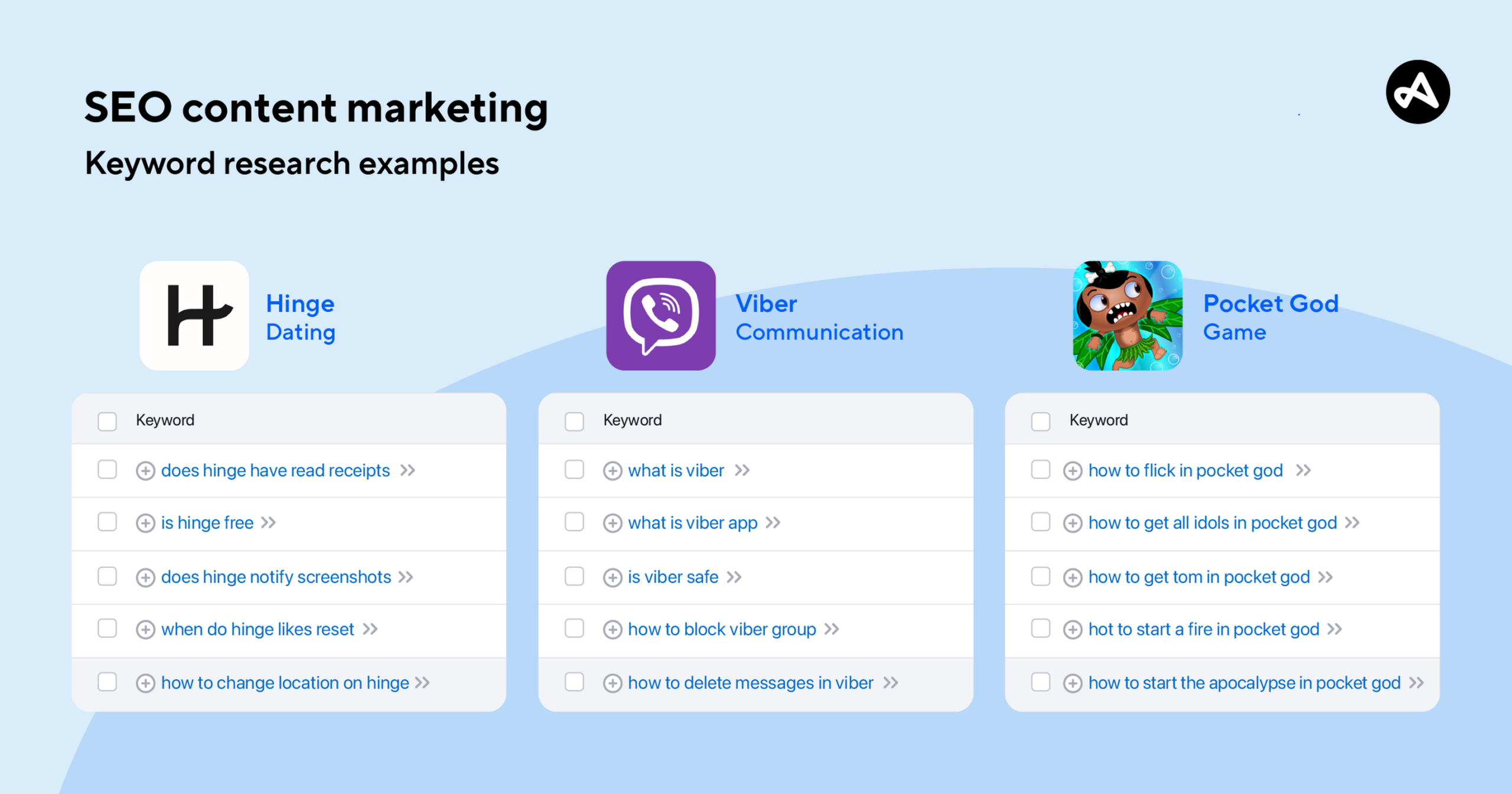
Keywords are the words and phrases people use in searches. They can help you understand how readers describe a topic and what language to use in your content. Choose terms that accurately reflect the page and connect to your audience’s needs.
- Focus on one main topic for each page.
- Include related terms when they fit naturally.
- Use specific phrases when they better describe the reader’s question.
- Avoid repeating keywords unnaturally or adding them where they do not belong.
There is no need to force a phrase into every section. Clear writing and complete coverage of the subject matter are more important than achieving an arbitrary keyword frequency.
Create a Clear Structure
A well-organized article is easier to read and easier for search engines to interpret. Use a descriptive title and headings that show how the information is arranged. Break long sections into focused paragraphs, and use lists when they make steps or details easier to scan.
For a typical article, the structure might include:
- A title that clearly describes the subject
- An introduction that explains what the reader will learn
- Headings for the main ideas or steps
- Examples, explanations, or practical advice
- A conclusion that summarizes the key points or suggests a useful next step
Headings should describe the content that follows. Avoid using headings simply to add more keywords.
Write Helpful, Original Content
Readers come to a page for information, guidance, or a solution. Give them a direct answer, then provide the context they need. Use plain language, explain unfamiliar terms, and include examples where they make the subject easier to understand.
Originality matters, too. A strong article should contribute useful insight rather than repeat what appears everywhere else. Depending on the topic, that might mean including firsthand experience, expert input, original research, specific examples, or a clearer explanation of a complicated process.
Accuracy is essential, particularly for topics that could affect a reader’s health, finances, safety, or other important decisions. Check claims against reliable sources and update the page when its information becomes outdated.
Make On-Page Details Clear
Several page elements help readers and search engines understand what a page is about:
- Title tag: Write a concise, accurate title that reflects the page’s main topic.
- Headings: Use a logical heading hierarchy and descriptive wording.
- URL: Keep the page address readable and relevant.
- Links: Link to useful related pages on your site and to credible sources when appropriate.
- Images: Use relevant images and provide descriptive alternative text when an image conveys information.
These details should accurately represent the page. Avoid misleading titles or link text that promises information the content does not provide.
Keep the Reader Experience in Mind
Good content can be difficult to use if a page loads slowly, is hard to read on a phone, or is cluttered with distractions. Keep paragraphs focused, make navigation straightforward, and check that the page works well on mobile devices. Accessibility also matters: use meaningful link text, readable contrast, and appropriate text alternatives for informative images.
Measure and Improve Your Content
Publishing an article is not always the final step. Review its performance over time and look for ways to make it more useful. Search impressions, clicks, engagement, and conversions can offer clues, but interpret these measures in the context of the page’s purpose.
If a page is not meeting readers’ needs, consider whether it matches the search intent, answers the main question clearly, and includes current, accurate information. Updates should improve the page—not merely change a date or add keywords.
Common SEO Content Writing Mistakes
- Keyword stuffing: Repeating search terms makes writing awkward and can reduce reader trust.
- Writing only for rankings: Content that ignores the audience is unlikely to be genuinely helpful.
- Copying competing pages: Rephrasing existing articles does not provide much new value.
- Using vague headings: Descriptive headings help readers find the information they need.
- Ignoring updates: Outdated advice can make a page less useful and less reliable.
- Overpromising: Titles and introductions should accurately reflect what the page delivers.
Conclusion
Search engine optimization content writing is most effective when it begins with a real reader need. Research the topic, understand search intent, organize the information clearly, and create accurate, original content. Use keywords and on-page elements to clarify the subject, not to replace useful writing. By focusing on both discoverability and reader value, you can create content that serves your audience and supports your website over time.
Top 7 FAQs About SEO Content Writing: Tips, Careers, and Strategies
- What is SEO optimized content writing?
- Is SEO dead now with AI?
- What is a Search Engine Optimization content writer?
- How do I create content for search engine optimization?
- How much do SEO writers make?
- What is SEO content writing examples?
- How do I become a SEO content writer?
What is SEO optimized content writing?
SEO-optimized content writing is the practice of creating clear, useful content that meets readers’ needs and is easy for search engines to understand. It involves researching relevant topics and keywords, matching the content to what people are looking for, and organizing information with descriptive titles and headings. The goal is not to repeat keywords excessively, but to provide accurate, original value while making the page accessible and easy to read.
Is SEO dead now with AI?
The notion that SEO is dead due to advancements in AI is a misconception. While AI technologies, like machine learning algorithms and natural language processing, have transformed how search engines evaluate and rank content, they have not rendered SEO obsolete. Instead, AI has made SEO more sophisticated by improving the ability to understand user intent and context. This means that quality content, relevance, and user experience are more important than ever. SEO strategies now need to adapt by focusing on creating valuable content that meets users’ needs while leveraging AI tools to gain insights into search trends and optimize accordingly. Far from being dead, SEO continues to evolve alongside technological advancements.
What is a Search Engine Optimization content writer?
A search engine optimization (SEO) content writer creates helpful, engaging online content designed to meet readers’ needs and be easy for search engines to understand. The role may involve researching topics and keywords, matching content to search intent, organizing information with clear headings, and writing or updating articles, website pages, and product descriptions. A skilled SEO content writer uses keywords naturally and prioritizes accuracy, clarity, and value for the reader rather than writing solely to influence rankings.
How do I create content for search engine optimization?
To create content for search engine optimization, start by identifying what your audience wants to know and the search intent behind their queries. Research relevant keywords, then choose a clear topic and organize the information with a descriptive title, useful headings, and concise paragraphs. Provide accurate, original information that directly answers the reader’s question, and use keywords naturally rather than repeating them excessively. Add relevant internal or trusted external links, optimize images with descriptive alt text, and make sure the page is easy to read on mobile devices. Review and update the content as needed to keep it useful and current.
How much do SEO writers make?
SEO writers’ earnings vary based on experience, location, specialization, and whether they work full time, freelance, or through an agency. In the United States, salaried SEO content writers may earn roughly $50,000 to $75,000 per year, while experienced writers or specialists in fields such as finance, health, or technology may earn more. Freelancers often charge by the word, article, or project, with rates ranging from modest fees for basic content to several hundred dollars or more for in-depth, expert work. These figures are general estimates, and actual pay depends on the client, workload, and quality requirements.
What is SEO content writing examples?
SEO content writing is the practice of creating useful online content that helps readers find clear answers and helps search engines understand a page’s topic. Examples include a blog post explaining how to choose running shoes, a step-by-step guide to fixing a leaky faucet, a product description that answers shoppers’ questions, or a local service page outlining what a business offers. Each example uses relevant search terms naturally, organizes information with clear headings, and focuses on the reader’s needs rather than repeating keywords.
How do I become a SEO content writer?
To become an SEO content writer, build strong writing and editing skills, then learn the basics of keyword research, search intent, on-page SEO, and content organization. Practice by creating articles, product descriptions, or website pages that answer readers’ questions clearly and accurately. Study reputable SEO resources, analyze search results to understand what users need, and create a portfolio with a few polished writing samples. You can also gain experience through personal projects, freelance assignments, or entry-level content roles. Keep learning as search practices evolve, and focus on creating genuinely useful content rather than writing only to include keywords.