
Local SEO on a Budget: Practical Strategies for Small Businesses
Local SEO on a Budget: Practical Ways to Get Found Nearby
Local search engine optimization (SEO) helps businesses appear when people nearby search for products or services. A well-maintained online presence can help a local business attract relevant visitors without requiring a large advertising budget. The best place to start is with the free tools and improvements that make it easier for customers and search engines to understand what the business offers and where it operates.
Set Up and Improve Your Google Business Profile
A Google Business Profile is one of the most useful free tools for local visibility. Complete every relevant section, including the business name, address or service area, phone number, website, hours, and categories. Add a clear description of the business and upload authentic photos of the location, team, products, or completed work.
Keep the profile current. Update holiday hours, respond to customer questions, and share occasional posts about services, events, or announcements. Accurate information helps potential customers decide whether to contact or visit the business.
Make Contact Information Consistent
Check that the business’s name, address, and phone number are consistent across its website and important online listings. Even small differences—such as an outdated phone number or an old address—can confuse customers.
Start with the listings that matter most: major search platforms, social media profiles, local business directories, and industry-specific directories. There is no need to pay for a large number of low-quality listings. Focus on accurate information in trusted places.
Improve the Website’s Local Pages
A small business website does not need dozens of pages to support local SEO. Begin with a useful homepage and clear service pages. Explain what the business does, who it serves, and which areas it covers. Include the business’s real location or service area where it makes sense, rather than repeating city names unnaturally.
If the business serves several distinct locations, consider creating a separate page for each one. Each page should contain genuinely useful, location-specific information—not just a changed city name. Avoid creating pages for areas the business does not serve.
Use Search Phrases Customers Actually Use
Think about how customers describe their needs. A person might search for “emergency plumber near me,” “family dentist in Austin,” or “custom cakes in Portland.” Use relevant phrases naturally in page titles, headings, service descriptions, and website text.
Free search suggestions and conversations with customers can help identify useful wording. Pay attention to the questions people ask before they buy. Those questions can inspire helpful website content, such as service explanations, pricing factors, or preparation tips.
Ask for Reviews and Respond Thoughtfully
Reviews can help people evaluate a local business. Invite satisfied customers to leave honest feedback, using a simple follow-up message or a link to the review platform. Never buy reviews, offer rewards in exchange for positive reviews, or pressure customers to change their feedback.
Respond professionally to both positive and negative reviews. Thank customers for their comments, and address concerns without sharing private information. A calm, helpful response shows prospective customers that the business takes feedback seriously.
Publish Useful Content at a Manageable Pace
Regularly publishing helpful content can answer customer questions and build trust. A business might create a seasonal checklist, explain how a service works, compare common options, or share advice relevant to its local community.
Quality matters more than volume. One clear, genuinely useful article is more valuable than several thin pages created only to target keywords. Use original examples and accurate information, and keep content updated when details change.
Earn Local Links Through Real Relationships
Links from relevant, reputable websites can help people discover a business. Look for natural opportunities to participate in the local community: sponsor a neighborhood event, contribute expertise to a community organization, or join a legitimate industry association. These activities may lead to mentions or links, but they should be worthwhile even without a link.
Avoid paying for suspicious link packages or joining schemes that promise quick rankings. Low-quality tactics can waste money and put a website at risk.
Track Progress With Free Tools
Use available analytics and search performance tools to see how people find the website and what they do after arriving. Track practical measures such as calls, form submissions, direction requests, and visits to important service pages.
Local SEO can take time, so review results over several months rather than judging success by day-to-day ranking changes. Make one or two improvements at a time and note what changes.
Build a Simple Monthly Routine
A sustainable local SEO plan does not have to take many hours each week. A modest routine might include checking business hours, responding to reviews, correcting outdated listings, and publishing one useful update or article. Consistent maintenance is often more manageable—and more effective—than a large one-time effort.
Final Thoughts
Local SEO on a budget is about making the business easy to find, understand, and trust. Start with accurate business information, a complete Google Business Profile, useful website pages, and honest customer reviews. Then build on that foundation with helpful content and genuine local connections. These practical steps can strengthen local visibility without relying on expensive tools or risky shortcuts.
Top 6 FAQs About Affordable Local SEO: Costs, DIY Tips, and Current Trends
- Is doing a local SEO worth it?
- How much does local SEO cost in the US?
- What is the 80/20 rule in SEO?
- Is SEO dead now with AI?
- Can I do local SEO myself?
- How much should I charge for local SEO services?
Is doing a local SEO worth it?
Yes, local SEO is often worth the investment for businesses that serve customers in a specific area. It can help nearby customers discover your business when they search for relevant products or services, and many foundational steps—such as creating a complete Google Business Profile, keeping contact details accurate, and requesting honest customer reviews—cost little or nothing. Results may take time and can’t be guaranteed, but a consistent, budget-friendly effort can improve local visibility and bring more qualified calls, visits, and inquiries.
How much does local SEO cost in the US?
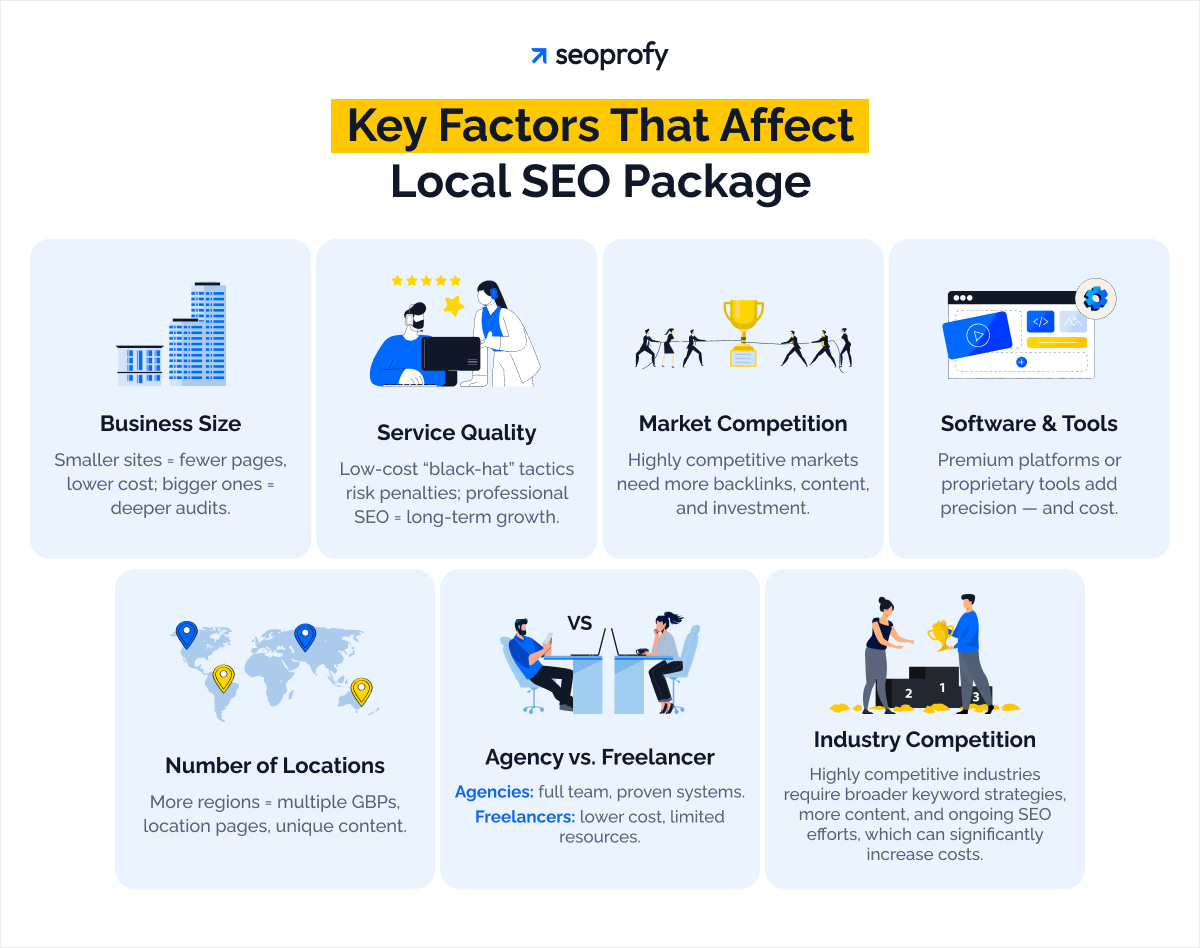
The cost of local SEO in the U.S. varies based on your location, competition, and how much work your business needs. If you handle it yourself, you can get started with free tools and your time, though you may choose to pay for software or website updates. Hiring a freelancer or agency often costs a few hundred to a few thousand dollars per month, with more competitive markets and broader services generally costing more. Ask providers for a clear scope of work and measurable goals, and be cautious of anyone promising guaranteed rankings.
What is the 80/20 rule in SEO?
The 80/20 rule in SEO is a practical guideline based on the idea that a small share of your efforts may produce a large share of your results—it is not a fixed formula or guarantee. For local SEO on a budget, this means prioritizing high-impact basics first: keeping your Google Business Profile accurate, making your website’s key service and location information clear, earning genuine customer reviews, and fixing important technical or contact-information issues. Focus on the tasks most likely to help local customers find and choose your business before spending time or money on less essential tactics.
Is SEO dead now with AI?
The rise of AI has certainly transformed the digital marketing landscape, but it hasn’t rendered SEO obsolete. Instead, AI has introduced new tools and technologies that can enhance SEO strategies. While AI-powered algorithms have become more sophisticated in understanding and ranking content, the fundamental principles of SEO—such as creating high-quality, relevant content and ensuring a user-friendly website experience—remain crucial. For local businesses on a budget, leveraging AI tools can actually be an advantage, allowing them to optimize their websites more efficiently by analyzing data trends and automating routine tasks. Therefore, rather than being dead, SEO is evolving with AI to offer more refined and targeted approaches to reaching audiences effectively.
Can I do local SEO myself?
Yes, many small businesses can handle the basics of local SEO themselves. Start by completing and regularly updating your Google Business Profile, keeping your business name, address, and phone number consistent online, improving your website’s service and location pages, and inviting customers to leave honest reviews. These steps take time and consistency, but they don’t require expensive tools. For technical issues or a more competitive market, you may want to consult an SEO professional.
How much should I charge for local SEO services?
There’s no single standard rate for local SEO, so price your services according to the work involved, your experience, and the client’s market. In the U.S., a basic local SEO package for a small, single-location business might range from about $300 to $1,000 per month, while more competitive markets or broader services—such as ongoing content, link outreach, and multi-location optimization—may justify $1,000 to $3,000 or more per month. You could also offer a one-time audit or setup project, often priced from a few hundred dollars upward, or charge an hourly rate. Clearly define what each package includes, estimate the time required, and avoid promising specific rankings or results.