
Local Business Website SEO: A Practical Guide to Getting Found Online
Local Business Website SEO: A Practical Guide to Getting Found Online
When people need a nearby service or place to shop, they often turn to a search engine. Local search engine optimization (SEO) helps your business appear when potential customers search for products or services in your area. A well-optimized website can make it easier for local customers to find your business, understand what you offer, and get in touch.
Local SEO is not a one-time task. It involves clear website content, accurate business information, a good mobile experience, and trustworthy signals across the web. The following steps can help you build a strong foundation.
Make Your Website Clear and Useful
Your website should quickly answer the questions a potential customer is likely to have:
- What products or services do you offer?
- Where do you serve customers?
- How can someone contact you or make an appointment?
- What makes your business a good choice?
Use straightforward navigation and descriptive page titles. Make important details—such as your phone number, address, hours, and service area—easy to find. Each page should have a clear purpose and provide useful information rather than repeating keywords.
Create Pages for Your Services and Locations
Give each important service its own page when you have enough useful information to make that page genuinely helpful. Describe what the service involves, who it is for, and what customers can expect. Include relevant details such as the neighborhoods you serve, scheduling options, or common questions.
If your business serves multiple towns or neighborhoods, consider creating location pages—but only when you can provide original, valuable information for each area. Avoid publishing many pages that differ only by the city name. Thin or repetitive pages do little to help visitors and may weaken the quality of your site.
Use Local Keywords Naturally
Think about the words customers use when searching for your services. A search might include a service, a location, or both—for example, “emergency plumber in Denver” or “family dentist near Capitol Hill.” Use relevant terms naturally in page titles, headings, body text, and image descriptions where they fit.
Do not force the same phrase into every paragraph. Clear, natural writing is more useful to readers and better reflects what your business actually offers.
Keep Your Business Information Consistent
Your business name, address, and phone number should be accurate and consistent across your website and other online profiles. If you serve customers at their location rather than at a storefront, clearly explain your service area and follow the platform rules for how your address should be displayed.
Update your contact details, hours, and holiday schedules whenever they change. Inconsistent information can frustrate customers and make it harder for them to confirm that they have found the right business.
Build and Maintain Your Business Profile
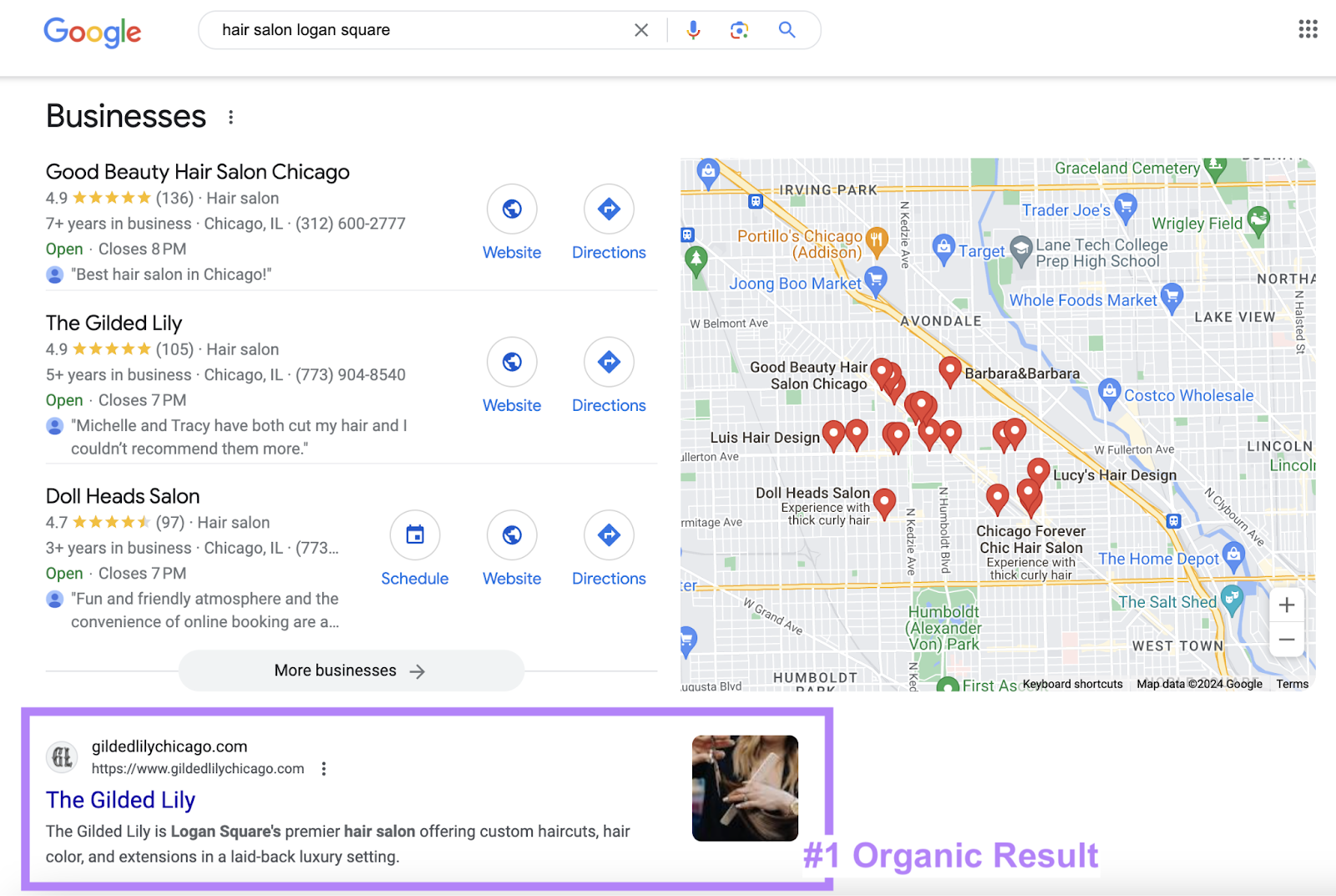
Claim and maintain your business listing on major search and map platforms. Complete every relevant field, choose accurate categories, add current photos, and include a link to the most appropriate page on your website. Keep hours and contact information up to date.
Encourage satisfied customers to leave honest reviews, and respond professionally to feedback. Never buy reviews or pressure customers to leave only positive comments. Thoughtful responses show that your business pays attention to customer experiences.
Make Your Website Mobile-Friendly
Many local searches happen on phones, often when someone needs information quickly. Your website should load properly on smaller screens, use readable text, and make buttons easy to tap. Important actions—such as calling, getting directions, or booking an appointment—should be simple to complete.
Test your website on several devices and browsers. Check that menus work, forms are easy to use, and contact links open correctly.
Improve Page Speed and Technical Health
A slow or unreliable website can discourage visitors. Compress large images, remove unnecessary scripts, use secure HTTPS, and keep your site software and plugins updated. Check for broken links and make sure search engines can access your important pages.
Use descriptive URLs and write unique page titles and meta descriptions. These elements help search engines and people understand what a page is about, though they should accurately describe the content rather than make promises the page cannot support.
Add Structured Data When Appropriate
Structured data is code that can help search engines interpret details about a business, such as its name, address, phone number, hours, and services. A developer or SEO professional can help add the right type of structured data and check that it is valid.
Structured data does not guarantee special search results or higher rankings. It should accurately reflect information visible on your website and follow current search engine guidelines.
Earn Local Links and Mentions
Links from relevant, reputable local organizations can help people discover your business and provide useful context about your community presence. Consider legitimate opportunities such as joining a local business association, sponsoring a community event, partnering with a complementary business, or contributing an expert article to a local publication.
Focus on genuine relationships and useful contributions. Avoid paying for low-quality links or participating in schemes designed solely to manipulate rankings.
Measure What Is Working
Use website analytics and search performance tools to monitor trends. Look at which pages attract visitors, what searches lead people to your site, and whether visitors take meaningful actions such as calling, submitting a form, or requesting directions.
Review results regularly, but allow time for changes to have an effect. Local SEO is competitive, and outcomes depend on factors such as your industry, location, competitors, and the quality of your website and business information.
A Simple Local SEO Checklist
- Make your services, location, and contact details easy to understand.
- Create helpful pages for your key services and genuine service areas.
- Use local search terms naturally and accurately.
- Keep business listings and website details current.
- Make the site fast, secure, accessible, and easy to use on mobile.
- Invite honest customer feedback and respond respectfully.
- Track calls, forms, bookings, and other meaningful results.
Conclusion
Effective local business website SEO starts with a useful website and accurate information. By creating clear service pages, maintaining consistent business details, improving the mobile experience, and earning trust in your community, you can make it easier for nearby customers to find and choose your business. Keep your information current, focus on helping visitors, and use performance data to guide ongoing improvements.
Essential FAQs on Boosting Your Local Business Website with SEO
- What is local SEO, and how does it help a local business website?
- How do I optimize my website for local search results?
- How do I choose the right local keywords for my business?
- Does my local business need a separate page for each service or location?
- How important are Google Business Profile listings and customer reviews for local SEO?
- How long does it take to see results from local SEO?
- How can I measure whether my local SEO efforts are working?
What is local SEO, and how does it help a local business website?
Local SEO is the process of improving a business’s online presence so it’s easier for nearby customers to find it in search results and on maps. It includes keeping business details accurate, creating helpful pages about services and locations, managing customer reviews, and making the website mobile-friendly. Strong local SEO can help a business appear for relevant searches in its service area, attract more qualified visitors, and encourage actions such as calls, bookings, or in-person visits.
How do I optimize my website for local search results?
To optimize your website for local search results, clearly feature your business name, address, phone number, hours, and service area, and keep those details consistent across your website and online listings. Create helpful pages for your services and the locations you genuinely serve, using local keywords naturally in titles, headings, and page content. Claim and update your Google Business Profile, make your site fast and mobile-friendly, encourage honest customer reviews, and consider adding accurate local business structured data. Check your search and website performance regularly so you can improve pages that attract local visitors.
How do I choose the right local keywords for my business?
Choose local keywords by thinking about the terms customers actually use to find your products or services, including your service, city, neighborhood, or nearby landmark—for example, “roof repair in Austin” or “bakery near downtown.” Use keyword research tools and review search suggestions to discover relevant phrases, then prioritize terms that match what you offer and the areas you genuinely serve. Add them naturally to useful website pages, titles, and headings, and avoid stuffing in city names or targeting locations where your business does not operate.
Does my local business need a separate page for each service or location?
Not necessarily. Create a separate page for a service or location when you can provide useful, distinct information—such as what the service includes, who it helps, or how your business serves that area. If the details would be nearly identical across pages, a single well-organized page may be more helpful. Avoid publishing many pages that only swap in a different service or city name; focus on content that genuinely answers customers’ questions.
How important are Google Business Profile listings and customer reviews for local SEO?
Google Business Profile listings and customer reviews are important parts of local SEO because they help people find and evaluate nearby businesses. A complete, accurate profile can show key details—such as your hours, location, services, and contact information—in Google Search and Maps. Reviews can influence customers’ decisions and provide useful feedback; responding to them professionally also shows that you value customer experiences. Keep your profile current and encourage honest reviews without offering incentives or pressuring customers. These steps can support local visibility, but they do not guarantee higher rankings.
How long does it take to see results from local SEO?
Local SEO results typically take a few weeks to several months to become noticeable, depending on your competition, location, website condition, and the work involved. Updates to business listings may appear relatively quickly, while improvements in organic search visibility often take longer. Consistently publishing helpful content, keeping business information accurate, and earning genuine customer reviews can support progress over time. Track calls, website visits, and inquiries—not just rankings—to understand whether your efforts are working.
How can I measure whether my local SEO efforts are working?
Measure local SEO by tracking both visibility and customer actions over time. Use search performance and analytics tools to monitor local search impressions, clicks, website visits, and the pages people view, then track meaningful conversions such as phone calls, appointment requests, form submissions, and direction requests. Review your business profile’s performance insights and compare results with a previous period or a baseline, accounting for seasonal changes. Call tracking or tagged links can help identify which channels bring in leads, as long as you keep your business information accurate and consistent.