
SEO and Email Marketing: How to Make Them Work Together
How SEO and Email Marketing Work Together
Search engine optimization (SEO) and email marketing are often treated as separate parts of a digital marketing strategy. SEO helps people discover a website through search engines, while email marketing helps businesses communicate with people who have chosen to receive updates. Used together, these channels can support a stronger, more consistent customer journey.
What Is SEO?
SEO is the process of improving a website so that it can be found more easily in relevant, unpaid search results. It includes creating useful content, organizing pages clearly, improving website performance, and making information easy for both visitors and search engines to understand.
SEO can attract people who are actively looking for answers, products, or services. Because search behavior often reveals what someone wants to learn or accomplish, it can also provide valuable insight into the questions and topics that matter to an audience.
What Is Email Marketing?
Email marketing uses email to share helpful information, announcements, offers, and other updates with subscribers. It gives businesses a direct way to stay in touch with people who have voluntarily joined their mailing list.
Unlike search traffic, which depends on someone finding a page, email allows a business to reach subscribers again over time. Successful email marketing focuses on relevance, clear value, and permission—not simply sending as many messages as possible.
How SEO Can Support Email Marketing
SEO can bring new visitors to a website, while email gives interested visitors a way to continue the relationship. A useful article, guide, or resource may attract someone through search. An optional newsletter signup can then invite that reader to receive related content in the future.
For example, a home-improvement website might publish a search-optimized guide to choosing energy-efficient windows. Readers who want more practical advice could sign up for a newsletter featuring maintenance tips and seasonal projects. The article serves the reader’s immediate need, while the email list provides a way to share future resources.
Any signup form should explain what subscribers can expect and how often they may hear from the business. Make signing up voluntary, and provide a clear way to unsubscribe.
How Email Marketing Can Support SEO
Email links do not directly improve a page’s position in organic search results. However, email can help useful content reach more people. Subscribers may visit, share, or reference an article, which can increase its visibility. If other websites choose to link to that content because they find it valuable, those editorial links may contribute to SEO.
Email campaigns can also help businesses learn which subjects resonate with their audience. Opens, clicks, replies, and other engagement signals can reveal topics worth exploring in greater depth on the website. These insights should be treated as audience feedback, not as a substitute for keyword research or search performance data.
Practical Ways to Combine SEO and Email
Build Content Around Audience Needs
Use search queries, customer questions, support requests, and email replies to identify topics people care about. Create pages that answer those questions clearly and thoroughly. Avoid producing content solely to target keywords; it should be genuinely useful to readers.
Offer a Relevant Email Signup
Place signup forms where they make sense, such as alongside a related guide or at the end of an article. Describe the benefit plainly. A reader who has just viewed a beginner’s guide may be more interested in a series of beginner tips than in a general promotional newsletter.
Repurpose Email Content Thoughtfully
Questions and ideas from email campaigns can inspire website articles, FAQs, or resource pages. Likewise, a detailed website article can be summarized in an email that links readers to the full version. When repurposing, adapt the material to each channel rather than sending the same message everywhere without context.
Use Clear Calls to Action
Each page and email should make the next step easy to understand. A webpage might invite readers to download a relevant checklist or subscribe for updates. An email might point to a detailed tutorial, product page, or related resource. Keep calls to action relevant and avoid overwhelming people with competing options.
Measure Each Channel Appropriately
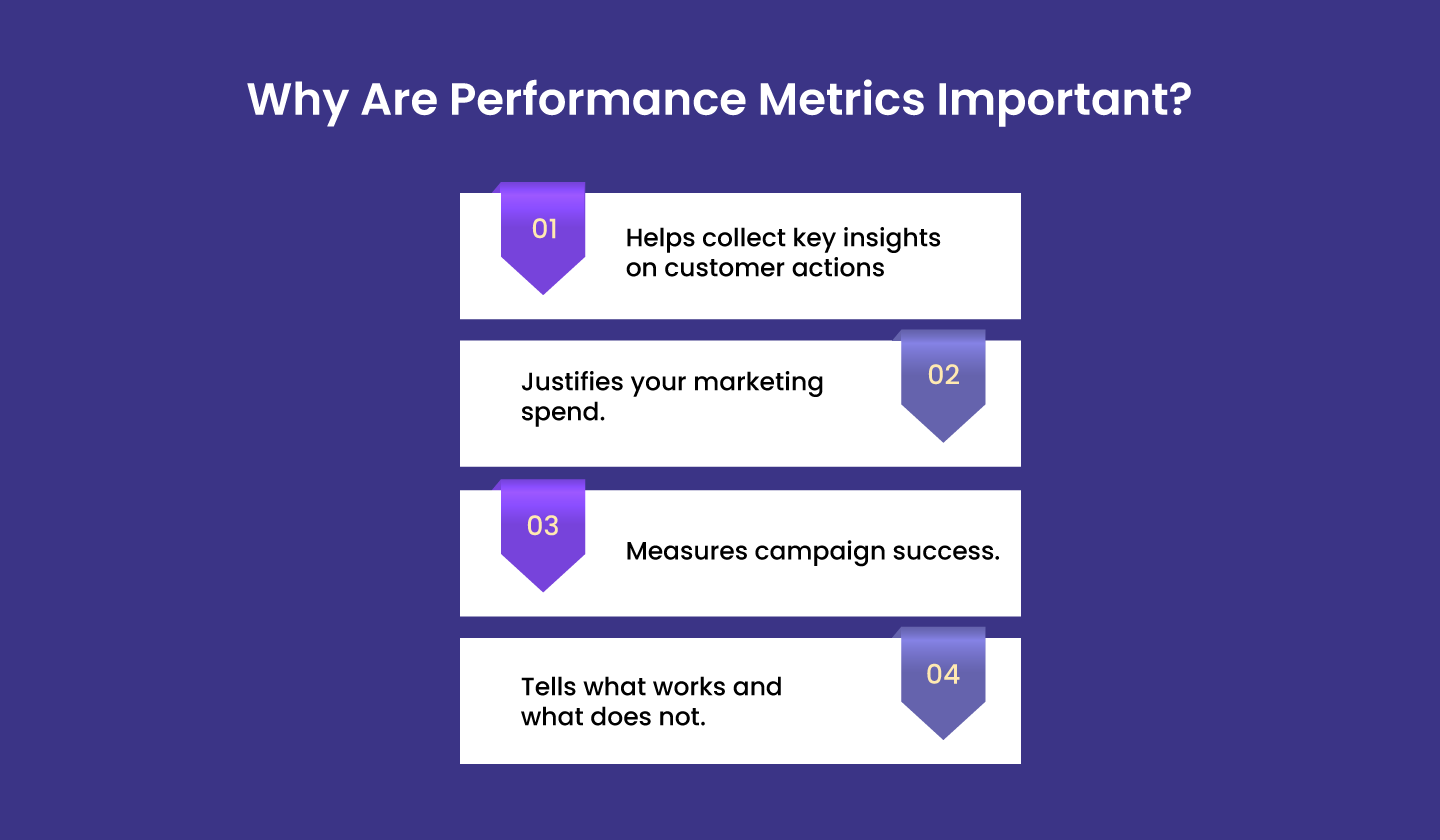
For SEO, monitor measures such as organic search traffic, search impressions, click-through rates, rankings for relevant queries, and meaningful actions on the site. For email, review delivery, clicks, unsubscribes, and conversions. Use these metrics to identify opportunities, while remembering that no single number tells the whole story.
Important Considerations
- Prioritize usefulness: Helpful content is more likely to earn attention and trust than content created only to attract clicks.
- Respect subscriber preferences: Send messages people have agreed to receive, honor unsubscribe requests, and follow applicable privacy and email laws.
- Keep the experience consistent: The promise made in a search result or signup form should match the page or email that follows.
- Optimize for mobile: Many people browse websites and read email on mobile devices, so use readable text, fast-loading pages, and accessible layouts.
- Be patient: SEO usually takes time, and email relationships grow through consistent, relevant communication.
Bringing the Two Channels Together
SEO and email marketing serve different purposes, but they can reinforce one another. SEO helps people discover useful information, and email helps businesses continue conversations with subscribers who want to hear from them. Together, these channels can help attract relevant visitors, deliver ongoing value, and guide interested readers toward appropriate next steps.
The strongest approach begins with the audience: understand what people are looking for, create content that helps them, and offer a clear, respectful way to stay connected.
Maximizing Engagement: The Combined Power of SEO and Email Marketing for Lasting Success
- SEO attracts people actively searching for answers.
- Email marketing builds lasting audience relationships.
- SEO can grow website traffic over time.
- Email delivers updates directly to subscribers.
- Search insights reveal topics people care about.
- Email campaigns can bring visitors back to your site.
- Both channels can support more conversions.
- Together, they create a stronger customer journey.
6 Challenges of SEO and Email Marketing: What You Need to Know
- SEO can take time to show results.
- Search rankings can change unexpectedly.
- Email lists require ongoing maintenance.
- Emails may be filtered as spam.
- Too many emails can cause unsubscribes.
- Both channels need regular content and measurement.
SEO attracts people actively searching for answers.
One of SEO’s biggest advantages is that it helps attract people who are already searching for answers, products, or services. By creating useful content that matches their search intent, a business can reach potential customers at the moment they need information. This can bring more relevant visitors to a website and create a natural opportunity to invite interested readers to subscribe to email updates for further tips, resources, or offers.
Email marketing builds lasting audience relationships.
Email marketing helps build lasting relationships by giving businesses a direct way to stay in touch with people who have chosen to hear from them. By sharing useful, relevant updates consistently, businesses can earn trust, encourage repeat visits, and keep their audience engaged over time. SEO can support this relationship by bringing new readers to helpful website content, where they can choose to subscribe for more.
SEO can grow website traffic over time.
One major advantage of SEO is its ability to grow website traffic over time. By creating helpful content and optimizing pages for relevant search terms, a website can appear in search results when people are looking for related information, products, or services. Unlike paid ads, which typically stop bringing visitors when the budget runs out, well-maintained SEO content can continue attracting organic traffic over the long term. Email marketing can complement this growth by sharing useful website content with subscribers and encouraging them to return.
Email delivers updates directly to subscribers.
Email marketing delivers updates directly to subscribers who have chosen to hear from your business. This gives you a reliable way to share new content, useful tips, product announcements, and special offers without waiting for people to find you through search. When messages are relevant and sent at a thoughtful pace, email can help keep your audience informed and connected over time.
Search insights reveal topics people care about.
Search insights reveal the topics people care about by showing the questions, keywords, and problems they’re actively exploring. Use this information to create useful website content and relevant email campaigns that address those interests. When SEO and email marketing are guided by real audience needs, your messages are more likely to feel timely, helpful, and worth engaging with.
Email campaigns can bring visitors back to your site.
Email campaigns can bring visitors back to your website by sharing links to helpful articles, product updates, special offers, or new resources. When subscribers find the message relevant, they may click through to learn more, explore other pages, or take a desired action. This gives your content another opportunity to reach an interested audience and helps keep your business connected with people who have already shown interest.
Both channels can support more conversions.
SEO and email marketing can work together to support more conversions by reaching people at different stages of their decision-making journey. SEO helps potential customers discover relevant content when they’re searching for answers or solutions, while email can nurture interested subscribers with useful information, timely offers, and clear next steps. When both channels deliver relevant messages and guide people to a consistent, helpful experience, they can make it easier for prospects to take action.
Together, they create a stronger customer journey.
SEO and email marketing work together to create a stronger customer journey by connecting discovery with ongoing communication. SEO helps potential customers find helpful information when they search, while email lets them receive relevant updates, resources, and offers after they subscribe. This continuity can build trust, keep a brand top of mind, and guide people toward the next step at their own pace.
SEO can take time to show results.
One downside of combining SEO and email marketing is that SEO can take time to show results. New or updated pages may take weeks or months to gain visibility in search engines, so businesses may not see an immediate increase in website traffic or email signups. This delay can make it harder to evaluate a strategy early on, especially when quick results are important. Regularly publishing useful content, monitoring performance, and using email to share resources with existing subscribers can help maintain engagement while organic search visibility grows.
Search rankings can change unexpectedly.
One downside of relying on SEO alongside email marketing is that search rankings can change unexpectedly. Search engines regularly update their algorithms, and competitors may improve their content, causing a website’s pages to lose visibility and receive less organic traffic. Email can help maintain communication with subscribers, but it may not fully replace the new audience members that search traffic brings. Businesses should therefore monitor SEO performance, keep content useful and up to date, and avoid depending on a single channel for growth.
Email lists require ongoing maintenance.
Email lists require ongoing maintenance to remain accurate, engaged, and useful. Addresses can become outdated, subscribers may stop interacting, and some people may unsubscribe or mark messages as spam. Regularly removing invalid addresses, honoring unsubscribe requests, monitoring engagement, and updating subscriber preferences takes time. Without this upkeep, emails may reach fewer people, perform poorly, or harm the sender’s reputation.
Emails may be filtered as spam.
One potential drawback of combining SEO and email marketing is that emails may be filtered as spam, preventing subscribers from seeing important updates or links to new content. Spam filters may flag messages because of misleading subject lines, excessive promotional language, poor sender reputation, or a lack of proper email authentication. To reduce this risk, send messages only to people who have opted in, use a recognizable sender name, write clear and relevant subject lines, and follow email marketing laws and best practices.
Too many emails can cause unsubscribes.
Sending emails too frequently can overwhelm subscribers and make your messages feel intrusive. When people receive more emails than they expect or find useful, they may unsubscribe or stop engaging with your content. Set a consistent schedule, focus on relevant information, and give subscribers clear choices about the emails they receive to help maintain trust and keep your email marketing efforts working alongside your SEO strategy.
Both channels need regular content and measurement.
One drawback of using SEO and email marketing together is the ongoing work involved. Both channels need a steady supply of useful, relevant content, along with regular measurement to understand what is performing well. This means planning, writing, updating website pages, preparing emails, and reviewing results over time. Without consistent effort, content can become outdated, email engagement may decline, and it can be harder to tell whether the strategy is meeting its goals.