
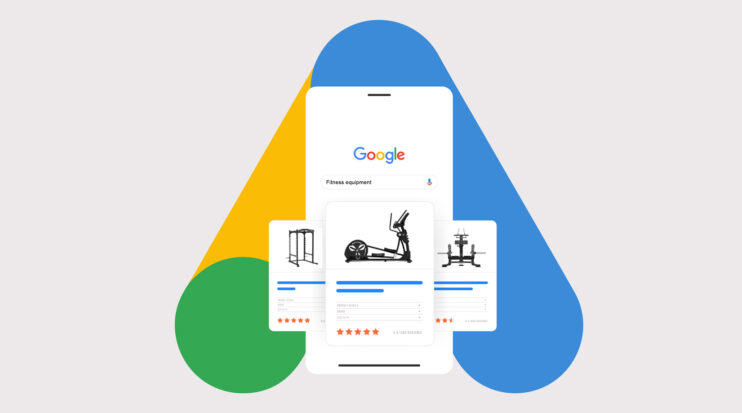
How to Choose the Right Google Ads Marketing Agency for Your Business
How a Google Ads Marketing Agency Can Help Your Business Grow
Google Ads can put your business in front of people who are actively searching for products or services like yours. But launching a campaign is only the first step. Choosing the right keywords, writing effective ads, setting budgets, and measuring results all take time and expertise. A Google Ads marketing agency can help plan and manage these tasks so your advertising is aligned with your business goals.
What Does a Google Ads Marketing Agency Do?
A Google Ads marketing agency plans, builds, and optimizes advertising campaigns across Google’s ad platforms. Depending on your needs, its services may include:
- Account audits: Reviewing existing campaigns to identify opportunities, inefficiencies, and tracking issues.
- Campaign strategy: Selecting campaign types, audiences, locations, and goals that fit your business.
- Keyword research: Finding relevant search terms and adding negative keywords to help limit irrelevant traffic.
- Ad creation: Writing and testing ad copy, selecting assets, and aligning ads with landing pages.
- Budget and bid management: Managing spending and bidding strategies based on campaign objectives and available data.
- Conversion tracking: Setting up measurement for valuable actions, such as purchases, calls, or form submissions.
- Reporting and optimization: Reviewing performance and making informed adjustments over time.
Why Work With a Google Ads Agency?
Google Ads offers many campaign settings and targeting options. An experienced agency can bring structure to the process and help you avoid common problems, such as targeting overly broad searches, sending visitors to an unsuitable landing page, or measuring clicks without tracking meaningful outcomes.
An agency may also provide a consistent testing and optimization process. Rather than making decisions based on a single day of results, a knowledgeable team can examine trends, compare campaign segments, and adjust the strategy as more data becomes available.
Working with an agency can be especially helpful if your team has limited time, is new to paid search, or needs support managing multiple campaigns. It is not a guarantee of specific results, however. Performance depends on factors such as competition, budget, offer, website experience, and the quality of campaign data.
What to Look for in a Google Ads Marketing Agency
The right partner should be able to explain its approach clearly and connect campaign activity to your business objectives. When evaluating agencies, consider the following:
- Relevant experience: Ask whether the agency has worked with businesses similar to yours or managed campaigns with comparable goals.
- Clear communication: Look for straightforward explanations of strategy, performance, and recommended next steps.
- Transparent reporting: Make sure reports show meaningful metrics and explain what they mean for your business.
- Account access and ownership: Confirm that you can access your Google Ads account and understand who owns the campaigns and data.
- Realistic expectations: Be cautious of promises of guaranteed rankings, sales, or returns. Advertising outcomes can vary.
- A thoughtful measurement plan: Ask how conversions will be defined, tracked, and checked for accuracy.
Questions to Ask Before Hiring an Agency
A conversation with a prospective agency can reveal how it works and whether its approach fits your needs. Consider asking:
- How will you learn about our business, customers, and goals?
- What campaign structure would you recommend, and why?
- How do you approach keyword research and negative keywords?
- How will you measure success beyond clicks and impressions?
- How often will we receive updates and reports?
- What fees do you charge, and are they separate from the advertising budget?
- What access will we have to our account and campaign data?
Understanding Agency Fees and Ad Budgets
Agency fees and Google Ads spend are usually separate costs. The ad budget is paid toward running campaigns, while the agency may charge a monthly management fee, a project fee, or another agreed-upon rate. Pricing models vary, so ask for a written explanation of all charges before work begins.
There is no universal budget that works for every business. A useful starting budget depends on your market, the cost of relevant clicks, your sales process, and how much data is needed to evaluate performance. A responsible agency should help you set a budget based on your goals and constraints—not pressure you to spend more without a clear rationale.
What the Agency Onboarding Process May Include
Most engagements begin with a discovery process. The agency may ask about your products or services, customer types, service areas, competitors, sales goals, and existing marketing activity. It may also review your website and analytics setup.
After this initial review, the agency can recommend a campaign plan, establish conversion tracking, and agree on how performance will be evaluated. Once campaigns launch, ongoing work may include testing ad variations, refining targeting, reviewing search terms, and improving landing-page alignment.
Frequently Asked Questions
How long does it take to see results from Google Ads?
Ads can begin receiving impressions and clicks after campaigns are approved and launched, but useful performance insights often take longer. The time required depends on traffic volume, conversion activity, budget, and the complexity of the campaign. Early results should be interpreted carefully while tracking and targeting are reviewed.
Does a Google Ads agency guarantee results?
No agency can reliably guarantee a particular number of sales, leads, or return on ad spend. Agencies can manage campaigns and use data to guide improvements, but results also depend on factors outside their control, including market demand, competition, pricing, and the customer experience on your website.
Should a small business hire a Google Ads agency?
It depends on the business’s goals, resources, and campaign needs. A small business may benefit from agency support if it lacks the time or expertise to manage campaigns. Before hiring, compare the cost of professional management with your budget and consider whether the agency can explain a practical plan for your situation.
Choose a Partner That Focuses on Your Goals
A Google Ads marketing agency should do more than launch campaigns. It should understand your business, measure the actions that matter, communicate clearly, and make thoughtful improvements based on evidence. Take time to compare agencies, ask detailed questions, and confirm account access and fees before making a decision.
With the right strategy and a well-managed campaign, Google Ads can become one part of a broader plan to reach potential customers and support business growth.
7 Essential Tips for Choosing the Right Google Ads Marketing Agency
- Define clear goals before hiring an agency.
- Ask for Google Ads certifications and case studies.
- Make sure you own your ad account and data.
- Set a budget that includes both ad spend and fees.
- Request regular reports tied to business results.
- Review search terms and negative keywords often.
- Test ads and landing pages to improve conversions.
Define clear goals before hiring an agency.
Before hiring a Google Ads marketing agency, define what you want your campaigns to achieve. Your goals might include generating qualified leads, increasing online sales, encouraging phone calls, or building awareness in a specific market. Clear objectives help an agency recommend suitable campaign types, set realistic budgets, choose meaningful performance metrics, and report on progress. They also make it easier to decide whether the agency’s strategy fits your business needs.
Ask for Google Ads certifications and case studies.
When choosing a Google Ads marketing agency, ask whether its team members hold current Google Ads certifications and request relevant case studies. Certifications can show that professionals have completed Google’s training and assessments, while case studies may offer examples of how the agency has approached campaigns for other clients. Look for clear details about the goals, strategy, time frame, and results, and ask how those examples relate to your business. Keep in mind that past performance does not guarantee future results, since outcomes depend on factors such as budget, competition, and market conditions.
Make sure you own your ad account and data.
Make sure your business owns its Google Ads account and retains access to all campaign data. The account should be created under your company’s control, with the agency added as a user or manager—not the other way around. This gives you visibility into campaign performance and billing, and helps ensure you can keep your history, settings, and data if you change agencies or bring advertising in-house. Before signing an agreement, confirm who controls account access and how you can retrieve your data.
Set a budget that includes both ad spend and fees.
Set a budget that accounts for both your Google Ads spend and the agency’s fees. These are usually separate costs: ad spend goes toward showing your ads, while agency fees cover services such as campaign setup, management, and reporting. Ask for a clear breakdown of all charges, then choose an affordable budget that supports your goals without putting pressure on other essential business expenses.
Request regular reports tied to business results.
Request regular reports that connect Google Ads activity to the outcomes that matter to your business, such as qualified leads, purchases, booked appointments, or revenue. Clicks and impressions can show how many people saw or interacted with your ads, but they don’t tell the whole story. Ask your agency to explain which campaigns are driving meaningful results, how conversions are tracked, and what changes it recommends based on the data. Regular, easy-to-understand reporting helps you assess performance and make informed decisions about your advertising budget.
Review search terms and negative keywords often.
Reviewing search terms and negative keywords regularly helps a Google Ads marketing agency keep campaigns focused on relevant searches. The search terms report shows the actual queries that triggered your ads, revealing opportunities to add useful keywords and exclude searches unlikely to lead to a sale or inquiry. By updating negative keywords thoughtfully, an agency can reduce wasted spend, improve ad relevance, and make better use of the campaign budget.
Test ads and landing pages to improve conversions.
Test different ad headlines, descriptions, and calls to action alongside landing page elements such as headlines, images, forms, and page layout. Change one key element at a time when possible, and use conversion tracking to see which versions lead to meaningful actions, such as purchases or inquiries—not just clicks. Over time, apply what the data shows to improve the customer experience and make your Google Ads campaigns more effective.