
Deciphering Google Ads Cost: A Comprehensive Guide to Understanding Pricing Strategies
Understanding Google Ads Cost
Google Ads, formerly known as Google AdWords, is a powerful online advertising platform that allows businesses to reach their target audience through paid search advertising. One of the key aspects of running a successful Google Ads campaign is understanding the cost involved.
Factors Influencing Google Ads Cost
The cost of running ads on Google Ads can vary based on several factors:
- Keywords: The competitiveness of keywords you target in your ads can significantly impact the cost. Popular keywords may have higher costs per click (CPC).
- Bidding Strategy: Your bidding strategy, such as manual CPC or automated bidding, can affect how much you pay for ad placements.
- Quality Score: Google assigns a Quality Score to your ads based on relevance and user experience. Higher-quality ads can lead to lower costs and better ad placements.
- Ad Relevance: How relevant your ad is to the search query can influence its performance and cost.
- Landing Page Experience: The user experience on your landing page affects ad performance and cost. A well-designed landing page can improve conversion rates and lower costs.
Tips for Managing Google Ads Cost
To optimize your Google Ads cost and maximize ROI, consider the following tips:
- Keyword Research: Conduct thorough keyword research to identify relevant keywords with lower competition and costs.
- Budget Control: Set a daily or campaign budget to control spending and monitor performance regularly.
- A/B Testing: Test different ad creatives, landing pages, and targeting options to identify what works best for your campaign.
- Ongoing Optimization: Continuously monitor and optimize your campaigns based on performance data to improve results and reduce costs.
In conclusion, understanding the factors that influence Google Ads cost and implementing effective strategies can help you run successful campaigns within your budget while achieving your advertising goals. By staying informed and proactive in managing your ads, you can make the most of your investment in online advertising with Google Ads.
8 Essential Tips to Manage and Reduce Your Google Ads Costs
- Set a clear budget to control your Google Ads costs.
- Focus on relevant keywords to improve ad performance and reduce costs.
- Regularly review and optimize your ad copy to increase click-through rates and lower costs.
- Use negative keywords to prevent irrelevant clicks that can drive up costs.
- Monitor your campaign performance metrics to identify areas for cost-saving improvements.
- Consider using ad scheduling to show ads at times when they are most likely to convert, reducing wasted spend.
- Utilize ad extensions effectively to enhance ad visibility and potentially lower costs per click.
- Experiment with different bidding strategies like automated bidding or manual CPC bidding to find what works best for your goals and budget.
Set a clear budget to control your Google Ads costs.
Setting a clear budget is a crucial tip for controlling your Google Ads costs effectively. By establishing a specific daily or campaign budget, you can ensure that your advertising expenses remain within your financial limits. This proactive approach not only helps you manage costs but also allows you to track and evaluate the performance of your ads more efficiently. With a well-defined budget in place, you can make informed decisions, optimize your campaigns, and achieve better results while staying on target with your advertising goals.
Focus on relevant keywords to improve ad performance and reduce costs.
Focusing on relevant keywords is a crucial strategy to enhance ad performance and lower costs in Google Ads campaigns. By targeting keywords that closely align with your products or services, you can attract a more qualified audience likely to engage with your ads. This relevance not only improves the overall effectiveness of your ads but also increases the chances of achieving higher Quality Scores, which can lead to lower costs per click. By prioritizing relevance in keyword selection, businesses can optimize their ad spend and drive better results in their online advertising efforts.
Regularly review and optimize your ad copy to increase click-through rates and lower costs.
Regularly reviewing and optimizing your ad copy is a crucial strategy to improve the performance of your Google Ads campaigns. By crafting compelling and relevant ad copy, you can attract more clicks from your target audience, leading to higher click-through rates (CTRs). Additionally, optimizing your ad copy can enhance the overall quality score of your ads, potentially lowering your costs per click (CPC) and improving ad placements. Continuous refinement of your ad messaging based on data-driven insights can help you achieve better results and maximize the effectiveness of your advertising budget on Google Ads.
Use negative keywords to prevent irrelevant clicks that can drive up costs.
Using negative keywords in your Google Ads campaigns is a crucial strategy to prevent irrelevant clicks that can drive up costs. By specifying negative keywords, you can exclude search terms that are not relevant to your business or target audience, ensuring that your ads are shown to users who are more likely to convert. This helps you optimize your ad spend by focusing on high-quality traffic and reducing wasted clicks, ultimately improving the overall performance and cost-effectiveness of your campaigns.
Monitor your campaign performance metrics to identify areas for cost-saving improvements.
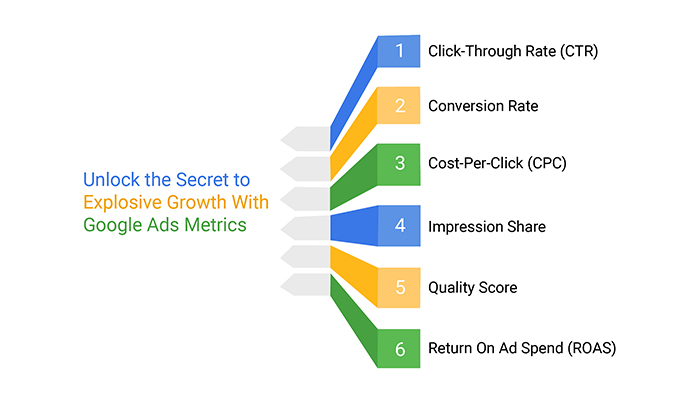
Monitoring your campaign performance metrics is a crucial tip for managing Google Ads cost effectively. By regularly analyzing key metrics such as click-through rates, conversion rates, and cost per acquisition, you can identify areas where adjustments can be made to improve efficiency and reduce unnecessary spending. This data-driven approach allows you to pinpoint underperforming aspects of your campaigns and make informed decisions to optimize your ad spend for better results.
Consider using ad scheduling to show ads at times when they are most likely to convert, reducing wasted spend.
Consider using ad scheduling in your Google Ads campaigns to display ads during times when they are most likely to convert, thereby reducing wasted spend. By strategically scheduling your ads to appear when your target audience is most active or receptive, you can increase the chances of driving conversions and maximizing the effectiveness of your advertising budget. Ad scheduling allows you to optimize your ad delivery based on user behavior patterns and preferences, ensuring that your ads reach potential customers at the right moment for better results.
Utilize ad extensions effectively to enhance ad visibility and potentially lower costs per click.
Utilizing ad extensions effectively can significantly enhance the visibility of your ads on Google Ads while potentially lowering costs per click. Ad extensions provide additional information and features to your ads, making them more appealing to users and increasing the chances of engagement. By including relevant ad extensions such as sitelinks, callouts, and structured snippets, you can provide valuable information to potential customers upfront, leading to higher click-through rates and improved ad performance. Additionally, the use of ad extensions can improve ad quality and relevance, which may result in lower costs per click and better ad placements. By leveraging ad extensions strategically, you can make your ads more compelling and competitive in the online advertising landscape.
Experiment with different bidding strategies like automated bidding or manual CPC bidding to find what works best for your goals and budget.
Experimenting with different bidding strategies, such as automated bidding or manual CPC bidding, is a valuable tip to optimize your Google Ads cost effectively. By testing various bidding approaches, you can determine which strategy aligns best with your advertising goals and budget constraints. Automated bidding may offer convenience and efficiency in managing bids based on Google’s algorithms, while manual CPC bidding allows for more control over individual keyword bids. Through experimentation and analysis of performance data, you can refine your bidding strategy to maximize results and achieve a balance between cost-effectiveness and campaign success.