
SEO PPC Specialist: How to Grow Your Business Through Search Marketing
What Does an SEO and PPC Specialist Do?
An SEO and PPC specialist helps businesses attract potential customers through search engines. The role combines two important digital marketing disciplines: search engine optimization (SEO), which focuses on earning organic traffic, and pay-per-click (PPC) advertising, which uses paid placements to reach audiences.
Although SEO and PPC work in different ways, both depend on understanding search intent, creating relevant content or ads, and measuring performance. A specialist who understands both can help a business build a coordinated search strategy.
What Is SEO?
SEO is the practice of improving a website so it can appear more prominently in unpaid search results. An SEO specialist may work on:
- Keyword research: Finding the words and questions a target audience uses when searching online.
- On-page SEO: Improving page titles, headings, content, internal links, and other elements on a website.
- Technical SEO: Identifying issues that may affect crawling, indexing, site speed, mobile usability, or site structure.
- Content strategy: Planning useful, accurate content that addresses audience needs and search intent.
- Off-page SEO: Supporting a site’s reputation and authority through legitimate, relevant online activity.
SEO typically takes time. Results can depend on factors such as competition, website history, content quality, and technical condition.
What Is PPC?
PPC is a form of online advertising in which an advertiser pays when someone clicks an ad. Search ads can appear alongside results for relevant queries, while other paid campaigns may reach people across websites, apps, or social platforms.
A PPC specialist may handle tasks such as:
- Researching keywords and audience segments
- Creating and testing ad copy
- Organizing campaigns, ad groups, and targeting
- Setting budgets and bids
- Building or improving landing pages
- Monitoring conversions and adjusting campaigns
PPC can generate visibility quickly, but performance depends on factors such as campaign setup, competition, budget, ad relevance, and the landing page experience.
Why Combine SEO and PPC?
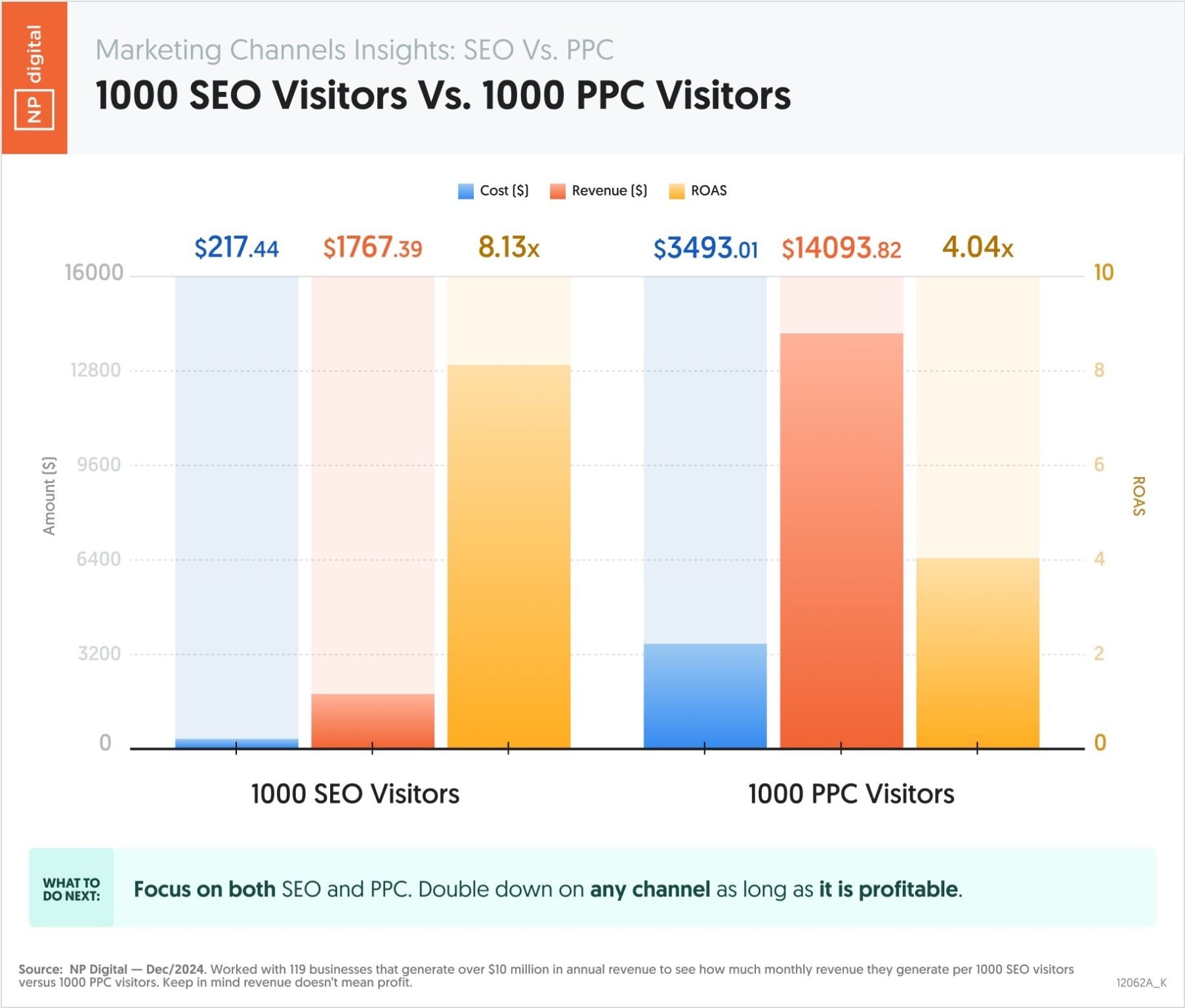
SEO and PPC can support different stages of a marketing plan. PPC may help a business test messaging or reach people while organic visibility develops. SEO can build a longer-term source of traffic from relevant searches. Together, the channels can provide a broader view of how people search and respond to a brand.
For example, paid campaign data may show which search terms attract qualified visitors. That information can help guide SEO content planning. Meanwhile, organic search insights can reveal topics and questions that may be useful for future ad campaigns.
Key Skills of an SEO and PPC Specialist
Effective specialists combine technical understanding with communication and analytical skills. Common areas of expertise include:
- Keyword and competitor research
- Search engine and advertising platform fundamentals
- Content and landing-page evaluation
- Analytics, conversion tracking, and reporting
- Budget management and campaign testing
- Clear communication with clients, writers, designers, and developers
- Keeping up with changes in search and advertising platforms
A good specialist also sets realistic expectations. Search rankings and advertising results cannot be guaranteed, and performance should be assessed using meaningful business outcomes rather than clicks alone.
How to Measure Search Marketing Performance
The right metrics depend on a business’s goals. Useful measures may include organic traffic, search visibility, qualified leads, sales, conversion rate, cost per conversion, and return on ad spend. Rankings and clicks can offer context, but they do not always show whether a campaign is contributing to business growth.
Reliable measurement starts with clear goals and properly configured analytics and conversion tracking. Reports should explain what changed, what the data suggests, and what actions are planned next.
When Should You Hire an SEO and PPC Specialist?
A business may benefit from specialist support when it is launching a website, expanding into a new market, struggling to attract qualified search traffic, or spending on ads without a clear understanding of results. Support can also be useful when a team needs help with technical SEO, campaign structure, conversion tracking, or an integrated search strategy.
Before hiring, ask how the specialist approaches research, reporting, testing, and communication. Look for a clear process, transparent explanations, and recommendations tailored to your goals. Be cautious of promises of guaranteed rankings or guaranteed advertising results.
Building a Stronger Search Strategy
An SEO and PPC specialist helps connect search behavior with a business’s marketing goals. By combining organic optimization, paid campaigns, thoughtful content, and accurate measurement, businesses can make more informed decisions about how to reach potential customers online. The strongest approach is not simply to chase traffic—it is to attract the right audience and make it easier for them to take the next step.
Understanding the Role and Salary of an SEO & PPC Specialist: Key FAQs
- What is an SEO salary?
- What is a SEO and PPC specialist?
- Is SEO a high paying skill?
- What is PPC in SEO?
- What is a PPC SEO specialist?
- What is PPC and SEO?
- What is the role of a PPC specialist?
What is an SEO salary?
An SEO specialist in the United States typically earns about $50,000 to $80,000 per year, though salaries vary by experience, location, industry, and employer. Entry-level roles may pay less, while senior specialists and SEO managers can earn $90,000 or more. Because SEO is not tracked as a separate occupation in every salary survey, reported averages differ; PPC expertise, analytics skills, and a strong record of improving business results may also affect compensation.
What is a SEO and PPC specialist?
An SEO and PPC specialist helps businesses reach potential customers through search engines using both organic and paid strategies. They improve a website’s visibility in unpaid search results through search engine optimization (SEO), and create and manage pay-per-click (PPC) campaigns that place ads in front of relevant audiences. Their work may include keyword research, website and landing page improvements, ad creation, budget management, and performance tracking to help attract qualified visitors and support business goals.
Is SEO a high paying skill?
SEO can be a well-paying skill, but earnings vary based on experience, location, industry, and the ability to show measurable results. Specialists with strong technical SEO, analytics, content strategy, and PPC knowledge may qualify for broader roles and higher compensation. Freelancers and consultants may also earn more as they build expertise and a strong client base, though income can fluctuate. SEO is not automatically high paying; ongoing learning and proven results are key.
What is PPC in SEO?
PPC, or pay-per-click, is not part of SEO; it’s a separate form of paid search advertising. SEO focuses on earning unpaid visibility in search results, while PPC lets businesses pay to show ads for selected searches and typically pay when someone clicks. The two can work together: PPC can bring traffic quickly and provide useful keyword and conversion data, while SEO can help build long-term organic visibility.
What is a PPC SEO specialist?
A PPC SEO specialist is a digital marketing professional who works with both pay-per-click (PPC) advertising and search engine optimization (SEO). They manage paid search campaigns to reach potential customers quickly while improving a website’s organic visibility over time. By analyzing search terms, audience behavior, and campaign results, they can coordinate paid and organic strategies to attract relevant visitors and support business goals.
What is PPC and SEO?
PPC (pay-per-click) is online advertising where businesses pay when someone clicks on an ad, often shown in search results. SEO (search engine optimization) improves a website’s content, structure, and technical performance to help it appear in unpaid search results. PPC can bring targeted traffic quickly, while SEO typically builds visibility over time; together, they can help businesses reach potential customers through search engines.
What is the role of a PPC specialist?
A PPC specialist plans, launches, and manages paid advertising campaigns to help businesses reach relevant audiences and meet goals such as generating leads or sales. Their work may include researching keywords, setting budgets and bids, writing and testing ads, selecting targeting options, improving landing pages, and tracking conversions. They analyze campaign results and make adjustments to improve performance while managing advertising costs.