
Local Traffic SEO: How to Attract More Nearby Customers
When people need a nearby service or business, they often turn to a search engine. They may search for “coffee shop near me,” “plumber in Austin,” or “best dentist in my neighborhood.” Local traffic SEO helps businesses become easier to find in these searches and connect with people who are likely to visit, call, or make a purchase.
Local SEO is not just about ranking higher. It is about providing accurate, useful information to people in the areas a business serves. A strong strategy combines an up-to-date online presence, helpful local content, positive customer experiences, and a website that works well on mobile devices.
What Is Local Traffic SEO?
Local traffic SEO is the process of improving a business’s visibility in search results for location-related queries. These results can include the local map listings, standard organic listings, and directory pages. Search engines may consider factors such as how closely a business matches a query, its distance from the searcher, and how prominent or trusted it appears online.
Businesses with a physical location can benefit, as can service-area businesses that travel to customers. The goal is to reach relevant local searchers—not simply to attract more website visits from any location.
Complete and Maintain Your Google Business Profile
A Google Business Profile can help eligible businesses appear in Google Search and Maps. Complete the profile with accurate information, including:
- Business name, address, and phone number
- Regular hours and holiday hours
- Primary and additional business categories
- A clear description of products or services
- High-quality photos that represent the business
- Relevant attributes, such as accessibility or service options
Keep the profile current. Respond to customer questions and reviews, and use available profile features to share updates when appropriate. Avoid adding keywords to the business name unless they are part of the business’s real-world name; inaccurate details can confuse customers and may violate platform guidelines.
Make Your Website Useful for Local Visitors
Your website should quickly answer the questions local customers are likely to have. Make your location, service area, contact details, hours, and offerings easy to find. Include a clear way to call, request an estimate, book an appointment, or get directions.
If your business serves several communities, create a useful page for each area only when you can provide genuinely relevant information. Each page should explain the services available there and include details that are specific to that location. Repeating nearly identical pages with only the city name changed can create a poor experience for visitors.
Use Local Search Terms Naturally
Think about the language customers use when looking for your products or services. They may include a city, neighborhood, nearby landmark, or phrase such as “near me.” Use relevant terms naturally in page titles, headings, service descriptions, and other page content.
There is no need to force a city name into every sentence. Clear, helpful writing is more valuable than keyword repetition. Research can begin with customer questions, search suggestions, and the terms already bringing visitors to your site.
Keep Business Information Consistent
Make sure your business name, address, and phone number are accurate wherever customers may find them online. Check your website, business profiles, local directories, and social media pages. If details change, update important listings promptly.
Consistency helps customers reach the right business and reduces confusion. For service-area businesses that do not receive customers at their address, follow the relevant platform rules for displaying or hiding that address.
Earn and Respond to Customer Reviews
Reviews can help potential customers understand what it is like to work with a business. Invite customers to share honest feedback after a genuine interaction, using methods that comply with each review platform’s policies. Do not buy reviews or offer rewards in exchange for positive ratings.
Respond professionally to both positive and negative reviews. Thank customers for specific feedback, and address concerns calmly without revealing private information. Thoughtful responses show that the business listens and takes customer experiences seriously.
Build Local Relevance and Community Connections
Useful local content can answer questions and demonstrate knowledge of the area. Depending on the business, this might include neighborhood service information, local event guides, project examples, or answers to common questions from nearby customers.
Local partnerships can also support visibility. Consider legitimate connections with community organizations, professional groups, suppliers, or local publications. When these relationships lead to relevant mentions or links, they can help people discover the business and provide useful context about its local presence.
Make the Mobile Experience Fast and Clear
Many local searches happen on phones, often when someone is ready to take action. Make sure the website loads reliably on mobile devices, text is easy to read, and buttons are simple to tap. Display important details—such as phone number, address, hours, and booking options—without making visitors hunt for them.
Track Results That Matter
Measure more than rankings or total website visits. Useful indicators include calls, direction requests, appointment bookings, quote requests, online purchases, and visits to key service pages. Website analytics and business profile performance reports can help show how people find and interact with the business.
Review performance over time, and account for seasonal changes. If a page receives traffic but few inquiries, consider whether it clearly explains the service and makes the next step easy. If customers find the business but do not call, check that contact details and hours are accurate.
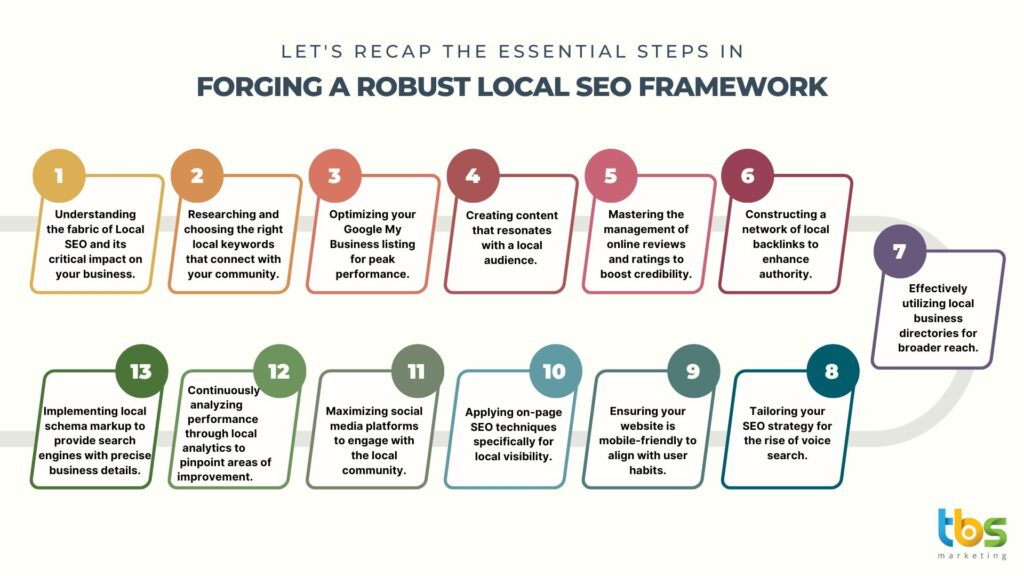
A Practical Local SEO Starting Plan
- Review your Google Business Profile and correct missing or outdated details.
- Check that your website displays accurate contact information and service areas.
- Improve key pages so they clearly describe your services and the locations you serve.
- Ask customers for honest reviews and respond to existing feedback.
- Check your main business listings for inconsistent information.
- Track calls, bookings, requests, and other meaningful outcomes.
Conclusion
Local traffic SEO works best as an ongoing effort. Accurate business information, relevant website content, strong customer service, and a convenient mobile experience can make it easier for nearby customers to find and choose a business. Focus on helping real people, measure the actions that support your goals, and improve the parts of your online presence that need attention.