
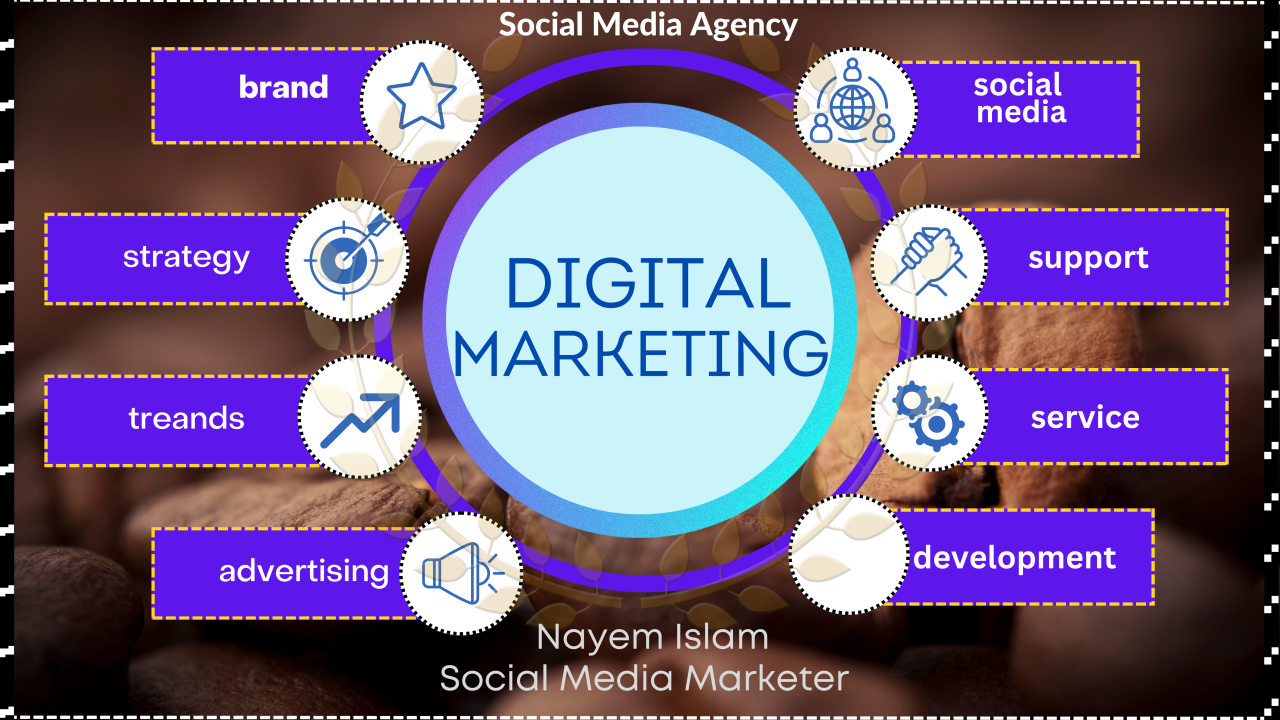
Digital Marketing Initiatives: Strategies to Grow Your Business Online
Digital Marketing Initiatives: A Practical Guide to Growing Your Business Online
Digital marketing initiatives are focused activities designed to help a business reach customers online. They can raise brand awareness, attract qualified visitors, generate leads, support sales, or strengthen relationships with existing customers. Successful initiatives connect clear business goals with the right audience, channels, content, and measures of success.
Rather than trying every platform at once, businesses can build a coordinated plan around the needs of their customers and the resources available to them. Here are several common initiatives and practical ways to make them more effective.
Set Clear Goals and Understand Your Audience
Start by deciding what an initiative should accomplish. A goal such as “get more traffic” is broad; a more useful objective might be to increase qualified visits to a product page or generate more consultation requests. Specific goals help guide decisions and make it easier to assess results.
Consider who the initiative is for, what they need, and where they look for information. Customer interviews, surveys, website analytics, and sales-team feedback can help identify common questions and barriers. Use these insights to shape your message, offer, and choice of marketing channels.
Improve Your Website and Search Visibility
Your website is often the destination for digital marketing efforts. Make sure it loads reliably, works well on mobile devices, and makes important information easy to find. Clear page headings, useful calls to action, accessible design, and straightforward navigation can help visitors understand what to do next.
Search engine optimization (SEO) can help people discover your content through relevant search queries. Research the terms your audience uses, then create useful pages that address their needs. Provide accurate information, descriptive titles, and logical links between related pages. SEO is a long-term effort, so focus on usefulness and consistency rather than quick fixes.
Create Valuable Content
Content marketing gives a business a way to answer questions and demonstrate expertise. Depending on your audience and goals, content may include articles, videos, guides, email newsletters, case studies, or product demonstrations.
Plan content around real customer needs instead of publishing simply to meet a schedule. A content calendar can help organize topics, formats, publication dates, and the channels used to share each item. Review older material periodically to update details, improve clarity, or remove information that is no longer relevant.
Use Social Media with Purpose
Social media can support brand discovery, community engagement, customer service, and content distribution. Choose platforms based on where your audience is active and what your business can maintain consistently. A thoughtful presence on a few relevant platforms is often more practical than posting sporadically across many.
Adapt posts to each platform and make room for conversation. Respond to questions, share useful resources, and use feedback to understand what matters to your audience. Social media activity should support broader business goals, not just generate likes or follower counts.
Develop Email Marketing
Email can help businesses stay in touch with people who have chosen to hear from them. Newsletters, product updates, event invitations, and educational sequences are examples of email initiatives. Use clear subject lines and relevant content, and make it easy for recipients to manage their preferences or unsubscribe.
Segmenting an email list by interests or customer needs can make messages more relevant. Before sending a campaign, check that links work, the message displays well on mobile devices, and the content is accurate. Follow applicable privacy and email marketing requirements.
Consider Paid Advertising
Paid search, social media ads, and display campaigns can help a business reach specific audiences or promote timely offers. Start with a defined budget, a focused audience, and a clear landing page. The ad, offer, and landing-page experience should work together.
Test one or two meaningful variations at a time, such as different headlines or creative formats. Monitor performance against the campaign’s goal, and avoid judging success by impressions alone. Depending on the objective, useful measures may include qualified leads, purchases, cost per acquisition, or return on ad spend.
Measure Results and Make Improvements
Measurement helps show whether an initiative is contributing to business goals. Choose a small set of relevant indicators before a campaign begins. These might include organic search visits, email sign-ups, conversion rates, booked appointments, or repeat purchases.
Use analytics tools and campaign tracking to understand how people find and interact with your content. Interpret the data in context: a channel may assist a customer’s decision without receiving the final click before a purchase. Review results regularly, note what you learn, and make adjustments based on evidence.
Keep Privacy and Trust in Focus
Effective digital marketing depends on trust. Be transparent about how information is collected and used, obtain consent where required, and protect customer data. Avoid misleading claims, unclear offers, and intrusive messaging. Respectful practices can support stronger long-term relationships with customers.
Build a Coordinated Marketing Plan
Digital marketing initiatives work best when they reinforce one another. A useful article can attract search traffic, be shared on social media, and provide material for an email newsletter. A paid campaign can introduce new audiences to a landing page, while follow-up content can help interested visitors make an informed decision.
Begin with a clear goal, choose initiatives that fit your audience, and set realistic measures of success. Review performance, learn from the results, and refine the plan over time. A consistent, customer-focused approach can help businesses make better use of their digital marketing resources and build lasting online growth.
7 Key Benefits of Digital Marketing Initiatives for Business Success
- Reach customers across digital channels
- Target specific audiences
- Track campaign performance
- Adjust campaigns quickly
- Build brand awareness
- Generate leads and sales
- Strengthen customer relationships
Challenges of Digital Marketing: Time, Budget, and Evolving Regulations
- Can require significant time and budget.
- Results may take time to appear.
- Privacy rules and platform changes add complexity.
Reach customers across digital channels
Digital marketing initiatives help businesses reach customers across the digital channels they use every day, including search engines, social media, email, websites, and mobile apps. By sharing consistent, relevant messages across these touchpoints, a business can connect with people at different stages of their buying journey—from discovering a brand to researching options and making a purchase. This broad, flexible reach also makes it easier to tailor content to each channel and audience.
Target specific audiences
One major advantage of digital marketing initiatives is the ability to target specific audiences. Businesses can tailor ads and content based on factors such as location, interests, search behavior, and past interactions. This helps deliver relevant messages to people who are more likely to need a product or service, making marketing efforts more focused and budget-friendly. By reaching the right audience at the right time, businesses can improve engagement and increase the likelihood of meaningful results.
Track campaign performance
Digital marketing initiatives make it easier to track campaign performance in real time. Businesses can monitor metrics such as website visits, clicks, conversions, and cost per lead to see which messages and channels are working best. These insights help marketers adjust campaigns, use budgets more effectively, and make informed decisions about future efforts.
Adjust campaigns quickly
A major advantage of digital marketing initiatives is the ability to adjust campaigns quickly. Marketers can monitor performance in real time and respond when audience behavior, results, or business priorities change. If an ad is underperforming, they can revise its message, update the creative, refine the target audience, or shift the budget to a stronger channel—often without waiting for a new campaign cycle. This flexibility helps businesses make better use of their resources and keep their marketing relevant.
Build brand awareness
Digital marketing initiatives can help build brand awareness by introducing your business to people where they already spend time online. Consistent, useful content across search engines, social media, email, and digital ads can make your brand more recognizable and help audiences understand what you offer. Over time, repeated positive interactions can strengthen familiarity and trust, making customers more likely to consider your business when they need a relevant product or service.
Generate leads and sales
Digital marketing initiatives can help businesses generate leads and sales by connecting their products or services with people who are actively looking for relevant solutions. Targeted ads, helpful content, email campaigns, and optimized landing pages can guide potential customers from discovering a brand to taking action, such as signing up, requesting a quote, or making a purchase. By tracking campaign performance, businesses can identify what attracts qualified prospects and refine their approach to improve results.
Strengthen customer relationships
Digital marketing initiatives can strengthen customer relationships by creating more consistent, relevant, and helpful interactions. Personalized emails, useful content, responsive social media conversations, and timely offers help customers feel understood and supported. By listening to feedback and providing value beyond the initial sale, businesses can build trust, encourage repeat purchases, and foster lasting loyalty.
Can require significant time and budget.
Digital marketing initiatives can require significant time and budget, especially when businesses create content, manage campaigns across multiple platforms, and analyze performance. Paid advertising, specialized tools, and skilled staff can add to the costs, while results such as stronger search visibility or customer loyalty may take time to develop. Without clear priorities and a realistic plan, expenses and effort can grow without producing meaningful returns.
Results may take time to appear.
One drawback of digital marketing initiatives is that results may take time to appear. Strategies such as search engine optimization, content marketing, and building an engaged social media audience often require consistent effort before they generate noticeable traffic, leads, or sales. This delay can be challenging for businesses seeking immediate returns, so it’s important to set realistic expectations, track progress using meaningful measures, and allow campaigns enough time to develop.
Privacy rules and platform changes add complexity.
Privacy rules and platform changes can make digital marketing initiatives more complex to plan and manage. Businesses need to keep up with requirements for collecting, storing, and using customer data, while changes to advertising platforms, tracking tools, and algorithms can affect campaign performance with little notice. This may require updated consent practices, new measurement methods, and ongoing adjustments to marketing strategies, adding time and cost—especially for small teams.