
Maximizing Reach: Unlocking Success with Your Google Ads Display Campaign
Display Campaigns: Maximizing Your Reach with Google Ads
When it comes to online advertising, Google Ads is a powerful tool that can help businesses of all sizes reach their target audience and drive results. One effective way to expand your reach and increase brand visibility is through display campaigns on Google Ads.
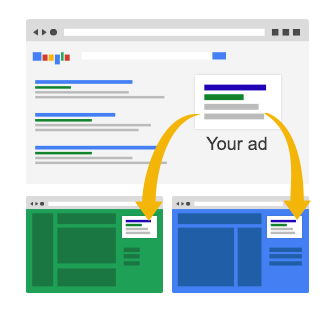
Display campaigns allow you to showcase your ads across a vast network of websites, mobile apps, and video content that are part of the Google Display Network. This network reaches over 90% of internet users worldwide, giving you unparalleled access to a diverse audience.
So, how can you make the most of display campaigns on Google Ads? Here are some key strategies to consider:
Targeting Options
Google Ads offers a range of targeting options to help you reach the right audience with your display ads. You can target users based on demographics, interests, behaviors, and more. Additionally, you can use remarketing to show ads to users who have previously visited your website or engaged with your content.
Compelling Ad Creatives
To capture the attention of users browsing through websites and apps within the Google Display Network, it’s essential to create visually appealing and engaging ad creatives. Use high-quality images, compelling copy, and clear calls-to-action to entice users to click on your ads.
Responsive Display Ads
Consider using responsive display ads that automatically adjust their size, format, and appearance to fit the available ad space. This flexibility allows your ads to look great across various placements and devices, maximizing their effectiveness.
Performance Tracking
Monitor the performance of your display campaigns regularly using Google Ads’ reporting tools. Track metrics such as impressions, clicks, click-through rate (CTR), conversions, and more to evaluate the success of your campaigns and make data-driven optimizations.
A/B Testing
Experiment with different ad creatives, messaging variations, targeting options, and bidding strategies through A/B testing. By testing different elements of your display campaigns, you can identify what resonates best with your audience and refine your approach for better results.
In conclusion, display campaigns on Google Ads offer a powerful way to expand your online presence and connect with potential customers across a vast network of websites and apps. By leveraging targeting options effectively, creating compelling ad creatives, monitoring performance closely, and experimenting with different strategies through A/B testing, you can maximize the impact of your display campaigns and drive success for your business.
5 Essential Tips for Optimizing Your Google Display Ad Campaigns
- Use eye-catching visuals to grab attention
- Include a clear call-to-action for users
- Target specific audience segments to improve relevance
- Regularly monitor and optimize ad performance
- Utilize responsive display ads for better adaptability
Use eye-catching visuals to grab attention
In Google Ads display campaigns, using eye-catching visuals is a crucial tip to grab the attention of your target audience. Compelling images or graphics can quickly capture the interest of users as they browse websites or apps within the Google Display Network. By incorporating visually appealing elements into your ads, you can increase engagement, drive clicks, and ultimately improve the effectiveness of your campaign in reaching and resonating with potential customers. Remember, a picture is worth a thousand words – make sure your visuals stand out to make a lasting impression on viewers.
Include a clear call-to-action for users
Including a clear call-to-action in your display campaign on Google Ads is essential to guide users towards the desired action, whether it’s making a purchase, signing up for a newsletter, or visiting your website. A strong call-to-action not only informs users about what you want them to do but also motivates them to take that action. By using compelling language and visually highlighting the call-to-action button, you can increase the likelihood of users engaging with your ad and ultimately driving conversions. Remember, a clear and concise call-to-action can make a significant difference in the effectiveness of your display campaign by directing user behavior and maximizing results.
Target specific audience segments to improve relevance
To enhance the effectiveness of your display campaign on Google Ads, it is crucial to target specific audience segments. By focusing on particular demographics, interests, behaviors, or remarketing lists, you can tailor your ads to resonate more effectively with the intended audience. This targeted approach increases relevance, engagement, and ultimately drives better results for your campaign. By understanding and catering to the specific needs and preferences of different audience segments, you can optimize your ad performance and maximize the impact of your display campaign on Google Ads.
Regularly monitor and optimize ad performance
Regularly monitoring and optimizing ad performance is crucial for the success of your display campaign on Google Ads. By keeping a close eye on key metrics such as impressions, clicks, click-through rate (CTR), and conversions, you can gain valuable insights into what’s working well and what areas need improvement. Through ongoing optimization efforts, such as adjusting targeting options, refining ad creatives, and testing different strategies, you can ensure that your ads are effectively reaching your target audience and driving the desired results. Consistent monitoring and optimization will help you maximize the effectiveness of your display campaign and achieve your advertising goals efficiently.
Utilize responsive display ads for better adaptability
When running display campaigns on Google Ads, it is crucial to leverage responsive display ads for enhanced adaptability. By utilizing responsive display ads, you can ensure that your ad creatives automatically adjust to fit the available ad space on different websites and devices within the Google Display Network. This flexibility not only improves the overall user experience but also increases the likelihood of capturing the attention of your target audience effectively. Embracing responsive display ads can lead to better performance and engagement, ultimately helping you achieve your advertising goals more efficiently in the dynamic digital landscape.