
Mastering On-Page Optimization Techniques in Digital Marketing
On-Page Optimization in Digital Marketing
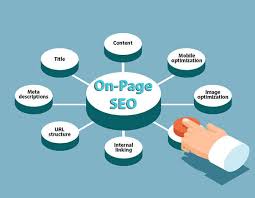
On-page optimization is a crucial aspect of digital marketing that focuses on optimizing various elements within a website to improve its search engine visibility and user experience. By fine-tuning on-page elements, businesses can enhance their online presence, attract more organic traffic, and ultimately drive conversions. Let’s delve deeper into the key components of on-page optimization:
Content Quality and Relevance
High-quality, relevant content is the cornerstone of on-page optimization. Ensure that your website’s content is informative, engaging, and tailored to your target audience’s needs. Incorporate relevant keywords strategically to improve search engine rankings while maintaining readability.
Title Tags and Meta Descriptions
Title tags and meta descriptions play a crucial role in attracting clicks from search engine results pages (SERPs). Craft compelling titles that accurately reflect the content of each page and include relevant keywords. Meta descriptions should provide a concise summary of the page’s content to entice users to click through.
URL Structure
A clear and concise URL structure not only enhances user experience but also helps search engines understand the hierarchy of your website’s pages. Opt for descriptive URLs that include relevant keywords and avoid using complex parameters or symbols.
Image Optimization
Optimizing images can improve website performance and enhance user engagement. Ensure images are compressed for faster loading times, include descriptive alt text for accessibility, and use relevant filenames with keywords where appropriate.
Internal Linking
Internal linking helps establish a logical hierarchy within your website and distributes link equity across different pages. Create strategic internal links between related content to guide users through your site while improving crawlability for search engines.
Mobile Responsiveness
In today’s mobile-centric world, ensuring your website is mobile-responsive is essential for both user experience and search engine rankings. Optimize your site for various devices to provide a seamless browsing experience across all platforms.
By implementing effective on-page optimization strategies, businesses can enhance their digital presence, increase organic traffic, and drive meaningful interactions with their target audience. Stay proactive in monitoring performance metrics and adapting your on-page tactics to stay ahead in the competitive digital landscape.
9 Key Benefits of On-Page Optimization in Digital Marketing
- Improves search engine visibility
- Enhances user experience
- Increases organic traffic
- Boosts website credibility
- Helps attract targeted audience
- Improves click-through rates
- Optimizes content for better readability
- Enhances website performance and speed
- Facilitates higher conversion rates
Challenges of On-Page Optimization: Time, Complexity, and Constant Algorithm Changes
Improves search engine visibility
Enhancing search engine visibility through on-page optimization is a fundamental pro that can significantly impact a business’s online success. By strategically optimizing on-page elements such as content, meta tags, and URLs, businesses can improve their website’s ranking on search engine results pages (SERPs). This increased visibility not only attracts more organic traffic but also boosts brand awareness and credibility among potential customers actively searching for relevant products or services. Ultimately, improving search engine visibility through on-page optimization can lead to higher click-through rates, more conversions, and a competitive edge in the digital marketplace.
Enhances user experience
On-page optimization in digital marketing enhances user experience by ensuring that website visitors can easily navigate, access relevant information, and engage with the content seamlessly. By optimizing elements such as content quality, page structure, and mobile responsiveness, businesses create a user-friendly environment that encourages visitors to stay longer on the site and explore further. A positive user experience not only increases user satisfaction but also boosts engagement metrics and ultimately contributes to higher conversion rates. Prioritizing user experience through on-page optimization is essential for building trust with visitors and establishing a strong online presence in today’s competitive digital landscape.
Increases organic traffic
By focusing on on-page optimization in digital marketing, businesses can significantly increase their organic traffic. By optimizing key elements such as content quality, title tags, meta descriptions, URL structure, and internal linking, websites can improve their search engine visibility and attract more relevant visitors. This increase in organic traffic not only boosts website engagement but also enhances the likelihood of converting visitors into customers. Ultimately, the proactive approach to on-page optimization leads to sustainable growth and long-term success in the competitive digital landscape.
Boosts website credibility
Enhancing on-page optimization in digital marketing significantly boosts website credibility. By fine-tuning elements such as content quality, title tags, meta descriptions, and URL structure, businesses can establish a trustworthy and authoritative online presence. When users encounter a well-optimized website that provides relevant and valuable information, they are more likely to perceive the brand as reputable and reliable. This increased credibility not only fosters trust with visitors but also signals to search engines that the website is a reputable source of information, ultimately leading to improved search rankings and organic traffic.
Helps attract targeted audience
On-page optimization in digital marketing plays a crucial role in helping businesses attract a targeted audience. By strategically incorporating relevant keywords, creating engaging content, and optimizing various on-page elements, businesses can increase their visibility to users actively searching for products or services they offer. This targeted approach not only drives qualified traffic to the website but also enhances user engagement and increases the likelihood of conversions. By focusing on attracting a specific audience through on-page optimization, businesses can effectively reach those most likely to be interested in their offerings, leading to higher conversion rates and overall success in their digital marketing efforts.
Improves click-through rates
By optimizing on-page elements such as title tags, meta descriptions, and URL structure, businesses can significantly improve their click-through rates in digital marketing. Crafting compelling and relevant titles and meta descriptions that resonate with users increases the likelihood of attracting clicks from search engine results pages. A clear and concise URL structure also enhances the user’s understanding of the page’s content, making it more enticing to click on. By focusing on these aspects of on-page optimization, businesses can drive higher click-through rates, ultimately leading to increased website traffic and potential conversions.
Optimizes content for better readability
Optimizing content for better readability is a key advantage of on-page optimization in digital marketing. By structuring content effectively, using headings, bullet points, and concise paragraphs, businesses can enhance user experience and keep visitors engaged. Improved readability not only makes the content more accessible to a wider audience but also increases the likelihood of users consuming the information thoroughly. This leads to higher retention rates, increased time spent on the website, and ultimately boosts overall engagement and conversions.
Enhances website performance and speed
Enhancing website performance and speed is a significant pro of on-page optimization in digital marketing. By optimizing elements such as image sizes, code structure, and caching mechanisms, businesses can improve their website’s loading times and overall user experience. A fast-loading website not only enhances user satisfaction but also positively impacts search engine rankings, as site speed is a crucial ranking factor. With a well-optimized website, businesses can reduce bounce rates, increase engagement, and ultimately drive conversions more effectively in the competitive digital landscape.
Facilitates higher conversion rates
On-page optimization in digital marketing facilitates higher conversion rates by ensuring that a website’s content, structure, and user experience are optimized to encourage visitors to take desired actions. By strategically placing calls-to-action, improving page load speed, and enhancing overall usability, businesses can create a seamless journey for users that leads to increased engagement and conversions. This proactive approach to on-page optimization not only attracts more qualified leads but also nurtures them through the sales funnel more effectively, ultimately driving higher conversion rates and maximizing the return on investment for digital marketing efforts.
Time-Consuming
On-page optimization in digital marketing presents a significant con in its time-consuming nature. The meticulous attention to detail and continuous monitoring required can pose challenges for businesses, especially those with limited resources. The need to constantly review and adjust on-page elements to ensure optimal performance can divert valuable time and manpower away from other essential tasks. This time-intensive aspect of on-page optimization underscores the importance of strategic resource allocation and potentially outsourcing certain aspects of digital marketing to streamline processes and maximize efficiency.
Technical Complexity
One significant con of on-page optimization in digital marketing is the technical complexity involved in implementing certain techniques. For instance, tasks like structured data markup or site speed optimization demand a level of technical expertise that may be beyond the skill set of some marketers. The intricacies of coding and backend configurations can pose challenges for those without a strong technical background, leading to potential roadblocks in fully optimizing a website for search engines and user experience. As a result, businesses may need to invest in external resources or training to overcome this hurdle and ensure their on-page optimization efforts are executed effectively.
Algorithm Updates
One significant con of on-page optimization in digital marketing is the impact of algorithm updates. Search engine algorithms are continuously evolving, which can pose a challenge for businesses to stay abreast of the latest best practices in on-page optimization and adjust their strategies accordingly. The dynamic nature of algorithm updates means that tactics that were once effective may become obsolete, requiring marketers to constantly monitor changes and pivot their optimization efforts to align with current search engine requirements. This ongoing adaptation process can be time-consuming and resource-intensive, highlighting the need for flexibility and agility in navigating the ever-changing digital marketing landscape.