
Optimizing Your SEO Strategy: A Guide to Evaluating Keywords for Search Engine Optimization
Evaluating Keywords for Search Engine Optimization
Keywords are the foundation of any successful search engine optimization (SEO) strategy. Choosing the right keywords is crucial for improving your website’s visibility and driving organic traffic. However, not all keywords are created equal, and it’s essential to evaluate them carefully to ensure they align with your goals and target audience. Here are some key factors to consider when evaluating keywords for SEO:
Relevance
One of the most important factors to consider when evaluating keywords is relevance. Make sure that the keywords you choose accurately reflect the content and purpose of your website. Relevance is crucial for attracting the right audience and improving your website’s performance in search engine results pages (SERPs).
Search Volume
Search volume refers to the number of times a keyword is searched for on search engines within a specific period. It’s essential to choose keywords with an adequate search volume to ensure that there is enough potential traffic to justify targeting those keywords. Tools like Google Keyword Planner can help you determine the search volume of specific keywords.
Competition
Keyword competition measures how difficult it is to rank for a particular keyword in search engine results. High competition keywords may be challenging to rank for, especially if you’re just starting with SEO. It’s advisable to target a mix of high- and low-competition keywords to improve your chances of ranking well in SERPs.
User Intent
User intent refers to the reason behind a user’s search query. Understanding user intent can help you choose keywords that align with what users are looking for when they perform a search. Consider whether users are looking for information, products, services, or specific answers when evaluating keywords for SEO.
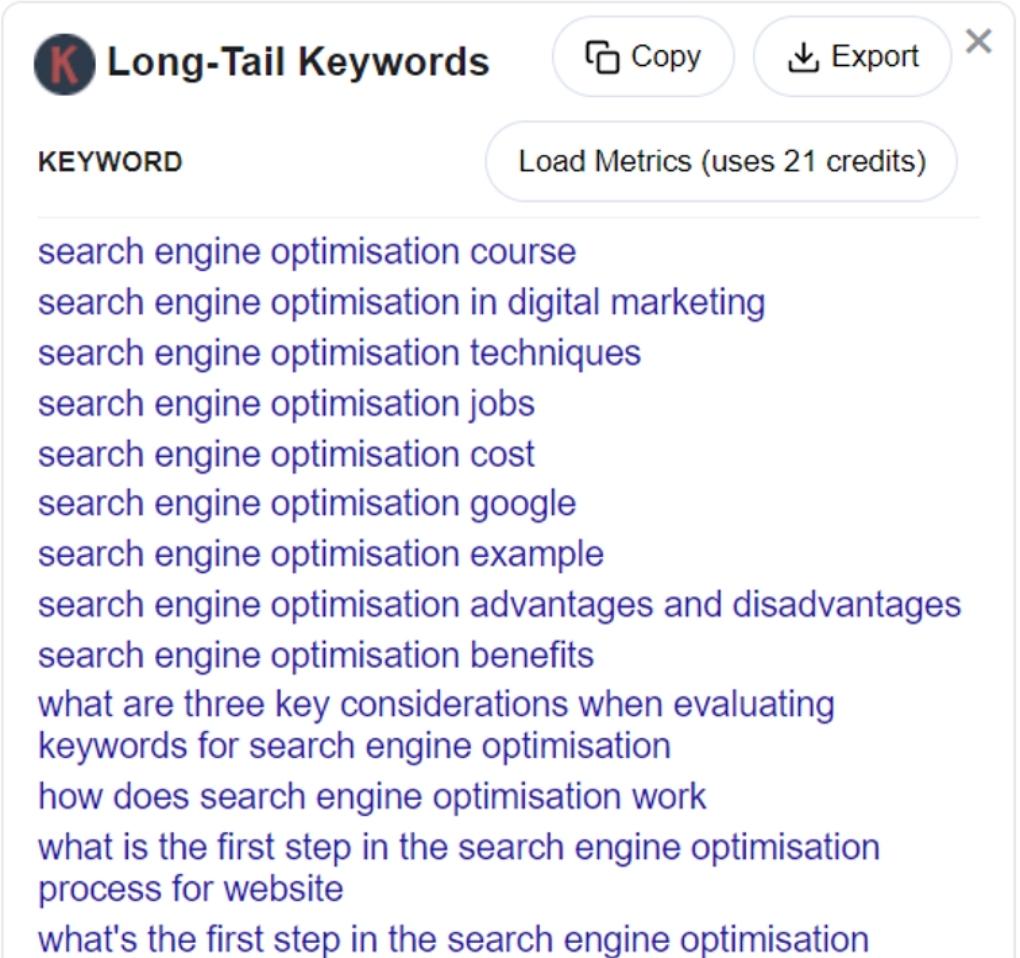
Long-Tail Keywords
Long-tail keywords are longer, more specific keyword phrases that typically have lower search volume but higher conversion rates. Including long-tail keywords in your SEO strategy can help you attract highly targeted traffic and improve your chances of converting visitors into customers.
In conclusion, evaluating keywords for SEO requires careful consideration of relevance, search volume, competition, user intent, and long-tail variations. By choosing the right mix of keywords that align with your goals and target audience, you can enhance your website’s visibility, attract organic traffic, and drive business growth through improved search engine rankings.
6 Essential Tips for Evaluating Keywords to Boost Your SEO Strategy
- 1. Consider search volume to target popular keywords.
- 2. Analyze keyword relevance to ensure they match your content.
- 3. Assess keyword competition to target achievable terms.
- 4. Look into long-tail keywords for more specific targeting.
- 5. Use tools like Google Keyword Planner for research and insights.
- 6. Regularly review and update your keyword strategy based on performance.
1. Consider search volume to target popular keywords.
When evaluating keywords for search engine optimization, it is important to consider search volume as a key factor in targeting popular keywords. By analyzing the search volume of specific keywords, you can identify popular terms that have a higher potential to drive traffic to your website. Targeting keywords with significant search volume can help increase your website’s visibility in search engine results pages and attract more visitors who are actively searching for relevant content or products related to those keywords.
2. Analyze keyword relevance to ensure they match your content.
Analyzing keyword relevance is a critical step in evaluating keywords for search engine optimization. It is essential to ensure that the keywords you choose align closely with the content on your website. By selecting keywords that accurately reflect the topics and themes of your content, you can improve your website’s visibility in search engine results and attract the right audience. Matching keywords to your content helps search engines understand the context of your website, ultimately leading to higher rankings and increased organic traffic.
3. Assess keyword competition to target achievable terms.
When evaluating keywords for search engine optimization, it is crucial to assess keyword competition to target achievable terms. By understanding the level of competition for specific keywords, you can identify opportunities to focus on terms that offer a realistic chance of ranking well in search engine results. Targeting keywords with manageable competition allows you to optimize your SEO efforts effectively and increase your visibility in search results, ultimately driving more organic traffic to your website.
4. Look into long-tail keywords for more specific targeting.
When evaluating keywords for search engine optimization, it is essential to explore long-tail keywords for more precise targeting. Long-tail keywords are longer and more specific phrases that cater to a particular audience’s search intent. By incorporating long-tail keywords into your SEO strategy, you can attract highly relevant traffic and improve your chances of engaging with users who are actively seeking the products or services you offer. Additionally, long-tail keywords often have lower competition levels, making it easier for your website to rank higher in search engine results pages for these targeted queries.
5. Use tools like Google Keyword Planner for research and insights.
To enhance your keyword evaluation process for search engine optimization, a valuable tip is to leverage tools such as Google Keyword Planner for comprehensive research and valuable insights. By utilizing tools like Google Keyword Planner, you can access essential data on search volume, competition levels, and keyword variations. These insights can help you make informed decisions when selecting keywords that align with your SEO goals and target audience. Incorporating such tools into your keyword research strategy can significantly enhance the effectiveness of your SEO efforts and improve your website’s visibility in search engine results pages.
6. Regularly review and update your keyword strategy based on performance.
To ensure the effectiveness of your search engine optimization efforts, it is crucial to regularly review and update your keyword strategy based on performance. By monitoring how well your chosen keywords are performing in terms of driving traffic, generating leads, and improving search engine rankings, you can identify areas for improvement and make necessary adjustments to optimize your SEO strategy. Regularly reviewing and updating your keyword strategy allows you to stay ahead of changing trends, adapt to evolving search algorithms, and continue attracting the right audience to your website.