
Explore the Exciting Enhancements in Google Ads’ New Campaign Features
Introducing Google Ads’ New Campaign Features
Google Ads has recently rolled out exciting new features to enhance your advertising campaigns and drive better results. These updates are designed to provide advertisers with more tools and flexibility to reach their target audience effectively. Let’s explore some of the key highlights of the latest campaign features:
Performance Max Campaigns
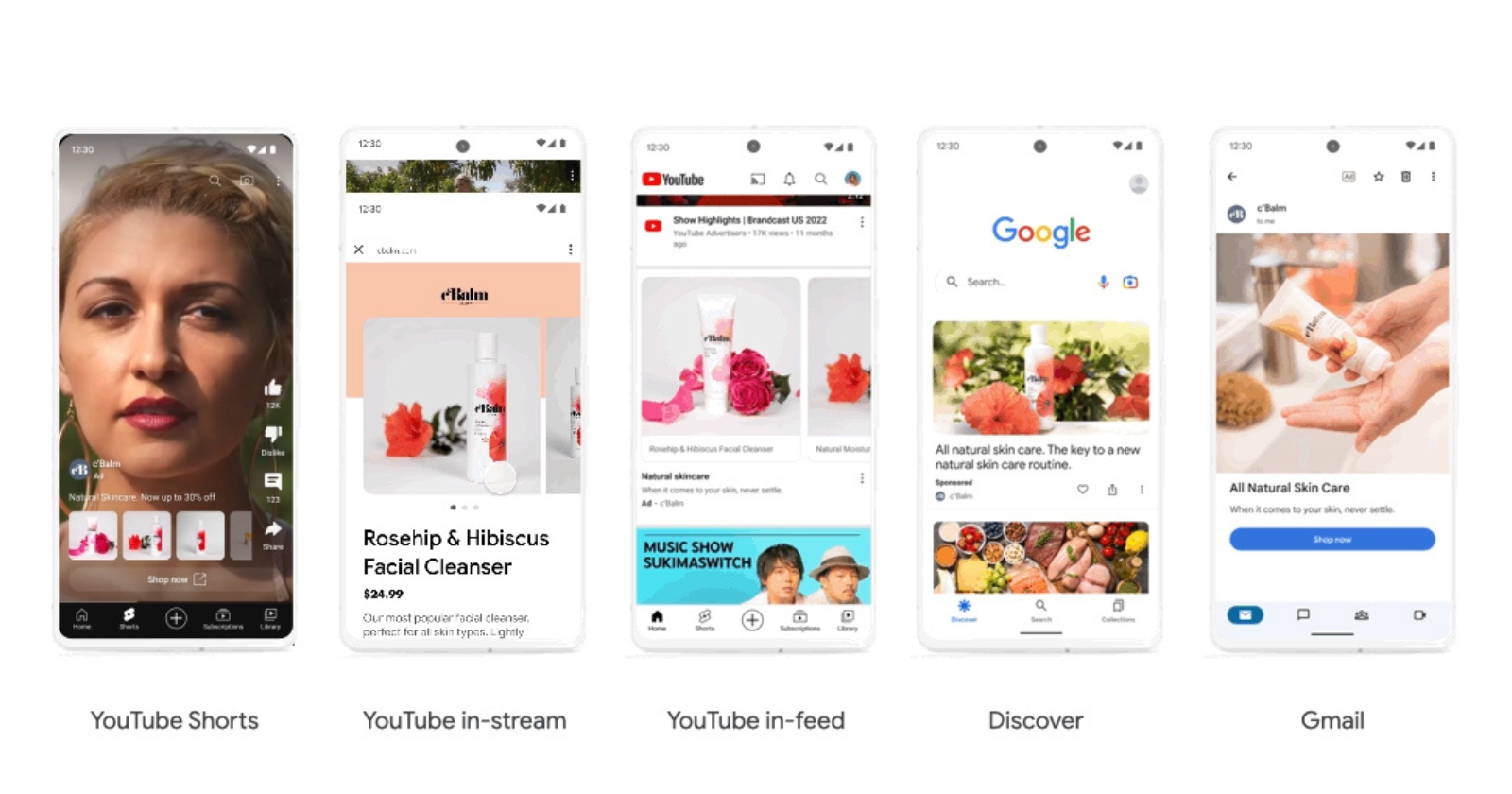
The Performance Max campaign is a new campaign type that allows advertisers to reach their target audience across various Google networks, including Search, Display, YouTube, and Discover. This campaign type leverages machine learning to optimize performance and deliver the best results for your advertising goals.
Custom Audiences
Google Ads now offers custom audience targeting options that enable advertisers to create tailored audiences based on specific criteria such as website visitors, app users, or customer lists. This feature allows you to reach users who are most likely to engage with your ads and take desired actions.
Ad Strength Indicator
The new ad strength indicator provides advertisers with real-time feedback on the effectiveness of their ad creatives. This feature evaluates factors such as relevance, quantity, and diversity of ad copy and assets to help you create high-performing ads that resonate with your target audience.
Performance Insights
Google Ads now offers enhanced performance insights that provide valuable data on how your ads are performing across different channels and devices. This information can help you make informed decisions about optimizing your campaigns for better results.
Cross-Network Reporting
The new cross-network reporting feature allows advertisers to view performance data from multiple Google networks in a single dashboard. This consolidated view enables you to analyze campaign performance holistically and make strategic adjustments to improve overall results.
In conclusion, Google Ads’ new campaign features offer advertisers powerful tools to create more effective and targeted advertising campaigns. By leveraging these innovative features, you can enhance your online presence, reach a wider audience, and drive better outcomes for your business.
8 Essential Tips for Optimizing Your Google Ads Campaign
- Define clear goals for your campaign to measure success.
- Utilize Google’s responsive search ads for better performance.
- Leverage audience targeting to reach the right customers.
- Use negative keywords to filter out irrelevant traffic.
- Test different ad variations to find the most effective one.
- Monitor and adjust bids based on campaign performance data.
- Incorporate ad extensions to provide more information and value.
- Regularly review analytics to optimize and improve campaigns.
Define clear goals for your campaign to measure success.
It is crucial to define clear goals for your Google Ads campaign to effectively measure success. By establishing specific objectives, such as increasing website traffic, generating leads, or boosting sales, you can track and evaluate the performance of your campaign accurately. Clear goals provide a roadmap for your advertising efforts and enable you to make data-driven decisions to optimize your campaigns for better results. Remember, clarity in goal-setting is key to achieving success in your Google Ads campaigns.
Utilize Google’s responsive search ads for better performance.
By utilizing Google’s responsive search ads in your new campaign, you can significantly enhance performance and optimize your advertising efforts. These dynamic ads allow for greater flexibility and personalization, automatically adjusting content to match the user’s search queries and preferences. By leveraging responsive search ads, you can improve ad relevance, increase click-through rates, and ultimately drive better results for your campaigns. Don’t miss out on the opportunity to maximize your advertising impact with Google’s responsive search ads feature.
Leverage audience targeting to reach the right customers.
Leveraging audience targeting in your Google Ads new campaign is a crucial strategy to ensure that your ads reach the right customers. By defining custom audiences based on specific criteria such as demographics, interests, and online behavior, you can tailor your messaging to resonate with those most likely to engage with your brand. This targeted approach not only increases the effectiveness of your ads but also maximizes your return on investment by reaching users who are more likely to convert. Embracing audience targeting empowers you to deliver personalized and relevant ad experiences that drive meaningful interactions with your target customers.
Use negative keywords to filter out irrelevant traffic.
Using negative keywords in your Google Ads campaign is a crucial strategy to filter out irrelevant traffic and ensure that your ads are shown to the most relevant audience. By identifying and adding negative keywords that are not aligned with your target audience or offering, you can prevent your ads from appearing in searches that are unlikely to result in conversions. This helps improve the overall performance of your campaign by focusing your budget on reaching users who are more likely to engage with your ads and take desired actions, ultimately maximizing the effectiveness of your advertising efforts.
Test different ad variations to find the most effective one.
To maximize the effectiveness of your Google Ads campaign, it is crucial to test different ad variations to identify the most compelling and high-performing option. By experimenting with various ad copy, images, and calls-to-action, you can gain valuable insights into what resonates best with your target audience. Continuous testing allows you to refine your ads based on real data and optimize them for better engagement and conversion rates. Remember, testing different ad variations is a key strategy to unlock the full potential of your advertising efforts and drive superior results.
Monitor and adjust bids based on campaign performance data.
Monitoring and adjusting bids based on campaign performance data is a crucial tip for optimizing Google Ads’ new campaign features. By regularly analyzing key metrics such as click-through rates, conversion rates, and return on ad spend, advertisers can gain valuable insights into the effectiveness of their campaigns. This data-driven approach allows advertisers to make informed bid adjustments to maximize their ROI and ensure that their ads are reaching the right audience at the right time. By continuously fine-tuning bids based on performance data, advertisers can improve ad relevance, increase visibility, and ultimately drive better results for their campaigns.
Incorporate ad extensions to provide more information and value.
Incorporating ad extensions into your Google Ads campaigns is a valuable tip that can enhance the visibility and effectiveness of your ads. By including ad extensions such as site links, callouts, structured snippets, and more, you can provide additional information to potential customers and improve the overall user experience. These extensions not only make your ads more informative but also increase the chances of driving higher click-through rates and conversions. By leveraging ad extensions effectively, you can deliver more value to your audience and stand out from competitors in the search results.
Regularly review analytics to optimize and improve campaigns.
Regularly reviewing analytics is a crucial tip for optimizing and improving Google Ads campaigns. By analyzing key metrics such as click-through rates, conversion rates, and cost per acquisition, advertisers can gain valuable insights into the performance of their campaigns. This data-driven approach allows advertisers to identify underperforming areas, make informed adjustments, and allocate budget more effectively to maximize ROI. Continuous monitoring and optimization based on analytics ensure that campaigns remain relevant, targeted, and successful in reaching the desired audience.