
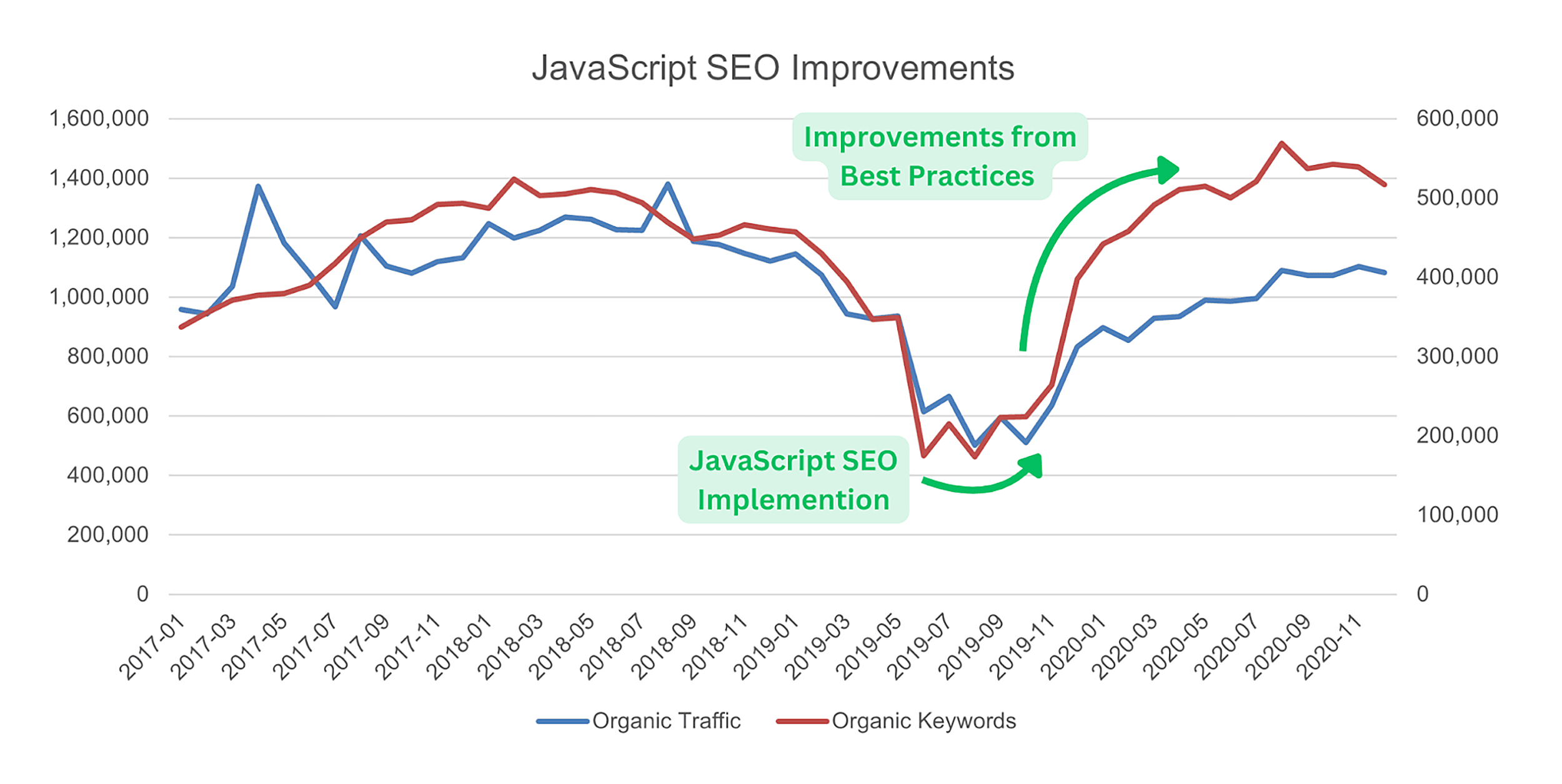
Optimizing JavaScript for Improved SEO Performance
The Impact of JavaScript on SEO
JavaScript is a powerful programming language that has revolutionized the way websites are built and interact with users. However, when it comes to search engine optimization (SEO), JavaScript can present challenges that web developers and SEO specialists need to address.
JavaScript-Rendered Content
One of the main concerns with JavaScript and SEO is how search engines crawl and index content that is rendered dynamically by JavaScript. Historically, search engines had difficulty understanding and indexing JavaScript-rendered content, which could result in poor visibility in search engine results pages (SERPs).
Best Practices for JavaScript SEO
To ensure that your website’s JavaScript content is properly indexed by search engines, consider the following best practices:
- Use Server-Side Rendering (SSR): Implementing SSR can help ensure that your website’s content is visible to search engine crawlers.
- Implement Lazy Loading: Lazy loading can improve page load times and user experience without sacrificing SEO performance.
- Optimize Metadata: Ensure that important metadata such as title tags, meta descriptions, and canonical tags are included in the initial HTML for better SEO performance.
- Avoid Infinite Scrolling: Infinite scrolling can make it difficult for search engines to crawl and index all of your website’s content. Consider implementing pagination instead.
The Future of JavaScript and SEO
As search engines continue to evolve, they are becoming better at understanding and indexing JavaScript-rendered content. However, it is still important for web developers and SEO specialists to follow best practices to ensure that their websites are optimized for search engine visibility.
In conclusion, while JavaScript can enhance the functionality and interactivity of websites, it is crucial to consider its impact on SEO. By following best practices and staying informed about the latest developments in JavaScript SEO, you can ensure that your website ranks well in search engine results while providing a seamless user experience.
7 Advantages of JavaScript for SEO: Boosting User Experience and Website Performance
- Enhances user experience with dynamic and interactive content.
- Allows for the creation of modern, visually appealing websites.
- Enables faster page loading times through asynchronous loading of content.
- Facilitates the implementation of responsive design for mobile optimization.
- Supports the development of single-page applications for a seamless browsing experience.
- Improves website performance by reducing server load and bandwidth usage.
- Provides opportunities for creative animations and effects to engage visitors.
Top 4 JavaScript SEO Challenges: Indexing, Load Times, Metadata, and Browser Compatibility
- Difficulty in indexing JavaScript-rendered content by search engines
- Potential for slower page load times due to JavaScript execution
- Challenges with implementing proper metadata for dynamically generated content
- Incompatibility with older browsers that may not support advanced JavaScript features
Enhances user experience with dynamic and interactive content.
JavaScript SEO enhances user experience by allowing websites to create dynamic and interactive content that engages visitors and provides a more personalized browsing experience. With JavaScript, websites can dynamically update content without requiring users to refresh the page, leading to a seamless and interactive user interface. This level of interactivity not only keeps users engaged but also improves overall user satisfaction and encourages longer browsing sessions. Ultimately, the use of JavaScript in SEO helps websites deliver a more engaging and user-friendly experience that can lead to higher retention rates and increased conversions.
Allows for the creation of modern, visually appealing websites.
JavaScript SEO allows for the creation of modern, visually appealing websites by enabling dynamic and interactive elements that enhance the user experience. With JavaScript, web developers can implement animations, transitions, sliders, pop-ups, and other engaging features that captivate visitors and make the website more visually appealing. These modern design elements not only attract users but also contribute to a positive impression of the website, ultimately leading to increased engagement and better retention rates. JavaScript’s versatility in creating visually stunning websites plays a crucial role in enhancing the overall aesthetics and functionality of a site, making it a valuable asset for web development and SEO efforts.
Enables faster page loading times through asynchronous loading of content.
JavaScript SEO offers the advantage of enabling faster page loading times through the asynchronous loading of content. By leveraging JavaScript to load content asynchronously, websites can deliver a smoother and more responsive user experience. This approach allows essential content to load quickly without waiting for other elements to fully render, ultimately improving overall page speed and user engagement. Faster loading times not only enhance user satisfaction but also contribute positively to search engine rankings, as speed is a crucial factor in SEO performance.
Facilitates the implementation of responsive design for mobile optimization.
JavaScript SEO facilitates the implementation of responsive design for mobile optimization, allowing websites to dynamically adjust their layout and content based on the device being used. By leveraging JavaScript, web developers can create interactive and user-friendly mobile experiences that adapt seamlessly to different screen sizes and resolutions. This not only improves the overall user experience but also helps boost SEO performance by providing a mobile-friendly website that meets the criteria set by search engines for better visibility in mobile search results.
Supports the development of single-page applications for a seamless browsing experience.
JavaScript SEO supports the development of single-page applications, enabling websites to deliver a seamless browsing experience to users. By leveraging JavaScript for building single-page applications, web developers can create dynamic and interactive websites that load content quickly and smoothly without the need for multiple page reloads. This approach enhances user engagement and satisfaction by providing a more fluid and intuitive browsing experience, ultimately contributing to improved SEO performance through increased user retention and lower bounce rates.
Improves website performance by reducing server load and bandwidth usage.
JavaScript SEO offers the significant advantage of enhancing website performance by decreasing server load and reducing bandwidth usage. By leveraging JavaScript to render dynamic content on the client side, rather than relying solely on server-side processing, websites can deliver a faster and more efficient user experience. This not only improves page load times but also helps in optimizing resource utilization, ultimately leading to a smoother browsing experience for visitors while minimizing the strain on servers and network resources.
Provides opportunities for creative animations and effects to engage visitors.
JavaScript SEO offers a significant advantage by providing opportunities for creative animations and effects to engage visitors effectively. By leveraging JavaScript’s capabilities, web developers can enhance user experience through interactive elements, dynamic content updates, and visually appealing animations. These engaging features not only captivate visitors but also encourage them to stay longer on the website, ultimately improving user engagement and potentially boosting conversion rates.
Difficulty in indexing JavaScript-rendered content by search engines
One significant drawback of JavaScript SEO is the challenge search engines face in properly indexing JavaScript-rendered content. Historically, search engines have struggled to understand and crawl dynamically generated content through JavaScript, leading to potential issues with visibility in search engine results pages. This difficulty in indexing JavaScript-rendered content can result in decreased organic traffic and hinder the overall SEO performance of a website. Web developers and SEO specialists must address this con by implementing best practices to ensure that critical content is accessible and understandable by search engine crawlers for improved search engine visibility and ranking.
Potential for slower page load times due to JavaScript execution
One significant drawback of JavaScript SEO is the potential for slower page load times caused by the execution of JavaScript code. When search engines crawl websites that heavily rely on JavaScript for rendering content, the time taken to process and execute the code can delay the loading of essential page elements. This can negatively impact user experience and SEO performance, as search engines prioritize fast-loading websites for better rankings. Web developers and SEO specialists need to carefully optimize JavaScript code and consider alternative strategies to mitigate the risk of slower page load times while maintaining a balance between functionality and performance.
Challenges with implementing proper metadata for dynamically generated content
One significant challenge with JavaScript SEO is the difficulty of implementing proper metadata for dynamically generated content. Since search engines may struggle to interpret and index dynamically rendered content, ensuring that essential metadata such as title tags, meta descriptions, and canonical tags are accurately included can be a complex task. Without proper metadata implementation, websites may face issues with search engine visibility and ranking, potentially impacting their overall SEO performance and online presence. Web developers and SEO specialists must find innovative solutions to overcome this challenge and optimize dynamically generated content for improved search engine indexing and visibility.
Incompatibility with older browsers that may not support advanced JavaScript features
One significant drawback of JavaScript SEO is its incompatibility with older browsers that may not support advanced JavaScript features. When websites rely heavily on JavaScript for rendering content or interactive elements, users accessing the site with outdated browsers may experience issues with functionality or even encounter a broken website. This can lead to a poor user experience and potentially impact SEO performance as search engines may struggle to crawl and index content that is not fully accessible to all users. It is essential for web developers to consider backward compatibility and graceful degradation strategies to ensure that their websites remain functional across a wide range of browsers while still leveraging the benefits of JavaScript for enhanced user engagement.